Wounded Warrior Logo camo banner

Harold Freeman

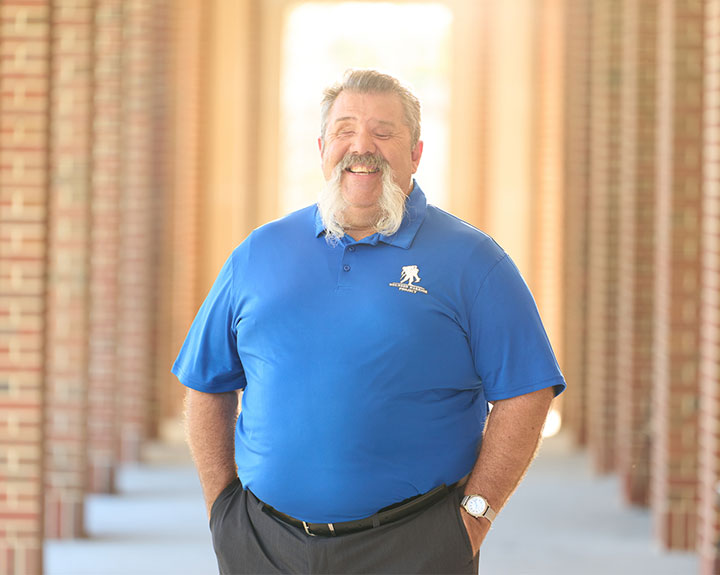
Harold "Butch" Freeman

Born into a military family based in upstate New York, Harold "Butch" Freeman has considered the Army his second home ever since he enlisted back in 1978. Married for 22 years and blessed with two loving daughters, he met his wife in Maine and settled there. Today, Butch is a doting grandfather to his two grandsons, who are his pride and joy and also his "calming point."

Over the years, Butch has served in the military as an infantryman, chemical weapons specialist, truck driver, heavy equipment operator, and carpenter. He was also an instructor at West Point for a couple of years. "I got to show them weapons, marksmanship, and hand grenades. That was fun!" he remembers.

During his deployment to Iraq in 2004, Butch was severely wounded by a suicide bomber. "I was in the chow hall, and I was standing there getting silverware. Next thing I know, I see a fireball. The guy in front of me was killed. The kid behind me was killed. When I woke up, I was amongst four people dead," he recalls. His femur was shattered, and he had to learn to walk again using crutches. "That was minor compared to when I found myself lying next to a guy with both legs gone. I didn't feel worthy," Butch recalls.

While the shattered femur caused obvious pain, Butch had to endure symptoms like severe headaches, loss of memory, speech issues, and fits of rage for a long time before he was finally diagnosed with a traumatic brain injury (TBI) and post-traumatic stress disorder (PTSD). "It is hard," Butch explains. "I forget words. I skip five or six words and go, 'Why aren't you answering me?'"

Butch came to know about Wounded Warrior Project (WWP) through his counselor at the Veterans Center, and participated in WWP's Project Odyssey, an outdoor rehabilitative retreat to help warriors deal with combat stress. It was his first group activity after retiring from the Army, and although he enjoyed the lobster fishing and sea kayaking, he found the most comfort in the company of his peers. "It was really good," Butch remembers. "I didn't want to go initially. But my wife made me. And I'm glad I did. It's hard to explain what it did for me-it made me feel I wasn't alone."

Today, Butch faces the daily challenges of the mental and physical after-effects of war as he strives to live a normal life. "I get so frustrated when I miss my words. I know what I want to say, but I just can't say or write it, and I haven't read a book since I came home," he confides. But he adds that he's lucky to have his wife, who has stood by him through the darkest hours.

Butch wants to reach out to other veterans through WWP and help them deal with combat stress and traumatic injuries through bonding as a group. "It gives you a sense of safety. That's what I get out of connecting with other veterans," states Butch. "I feel anyone in that room would lay down their lives for me. I'd do the same for them. I'd like to share this feeling of safety with others as well."

Back

Back to Top