

"How are you?"
We say it every day — to a coworker, a friend on the phone, or a spouse walking through the door. Most of the time, it’s simply a greeting.
“Asking someone ‘How are you?’ is a polite social norm. It’s not usually an invitation for them to say what’s really going on,” says Kyle Terrill, a mental health services manager with Wounded Warrior Project® (WWP).
Yet meaningful conversations can help people feel connected, and that connection can play an important role in supporting mental health.
“You don't have to have the perfect words," says Kyle, who works closely with veterans as part of the WWP® mental health Triage team. "Taking time to check in on someone can help them feel seen, supported, and less alone.”
Supporting someone's mental health isn't about being an expert, he adds. Often, all that's required is curiosity, active listening, and a willingness to be present.
Why Connection Matters
Many people carry stress, anxiety, grief, or frustration without ever saying a word about it.
For veterans, that can be especially true. Military culture often values resilience, self-reliance, and perseverance in the face of challenges. While those qualities can be strengths, they can also make it harder to talk about struggles or ask for help.
The same can be true for family members, who often spend so much time caring for others that their own needs take a back seat.
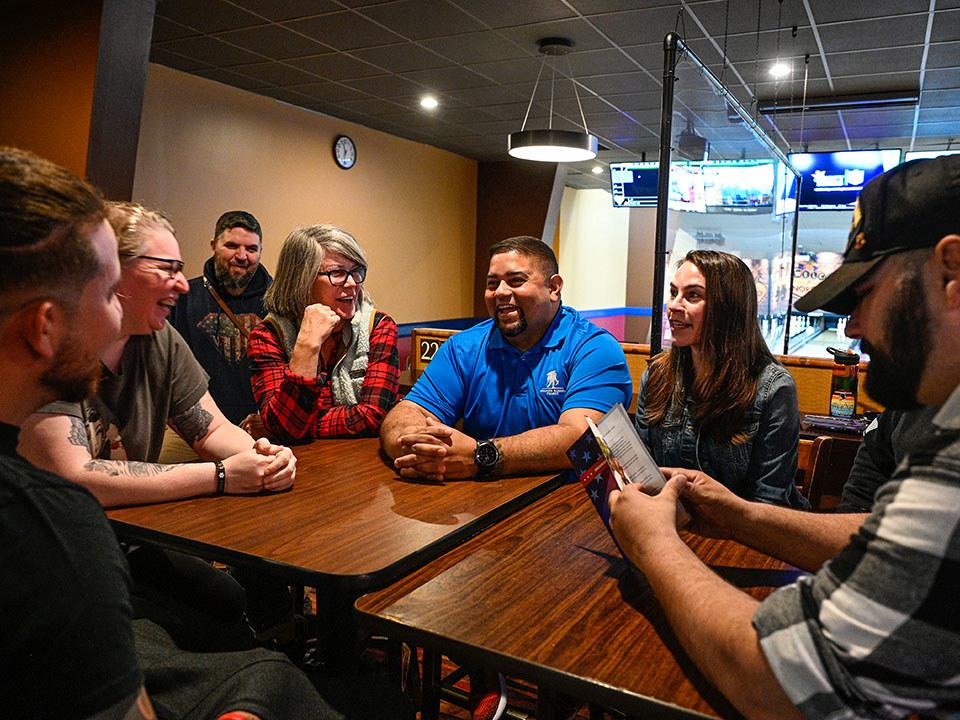
The result? Many people end up feeling alone, even when they’re surrounded by others.
According to the WWP Warrior Survey,* nearly 79% of warriors report feeling isolated.
That’s why connection matters.
"People won't be truthful about what's going on if they don't feel a genuine connection," Kyle explains.
That sense of connection doesn’t have to come from a mental health professional. It can come from a loved one, a sibling, a fellow veteran, a coworker, a neighbor, or someone in the community who takes the time to check in and listen.
When people feel seen and accepted, they’re often more willing to share what’s really on their mind.
"It lays the groundwork for someone to feel comfortable opening up," Kyle says.
TAKEAWAY: Connection isn't about having the right answer. It's about showing someone they matter. |
Observe and Be Curious
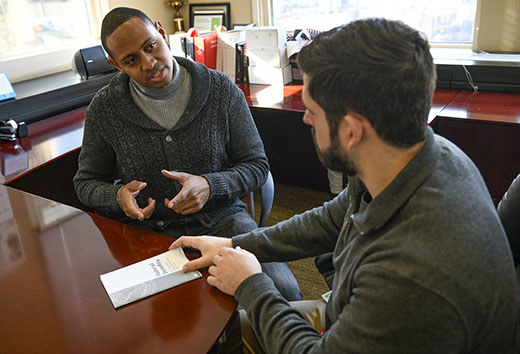
Meaningful conversations often begin with curiosity.
Think about the people in your life:
- Has your coworker been quieter than usual?
- Does your spouse seem overwhelmed when they get home from work?
- Has a family member lost interest in activities they normally enjoy?
- Is your battle buddy missing events or peer support meetings more often than usual?
When something seems different, use it as an invitation to check in.
You don't have to assume something is wrong. You’re simply letting the other person know you’ve noticed and that you care, says Kyle.
"I'm a big fan of leading with something you've noticed or are aware of," he adds. "Whether you ask in person, over the phone, or in a text, commenting on something specific tells the other person you are paying attention and that your concern is genuine.”
TAKEAWAY: Lead with curiosity, not assumptions. People are often more willing to open up when they know someone has noticed and cared enough to ask |
Make Space for Conversation 
A meaningful conversation doesn’t have to be planned. It doesn’t require a script or the perfect question, either. What matters most is being genuine, giving someone time to respond, and listening without rushing to fill the silence.
Kyle says questions like "How are you doing?” or “Are you OK?" can sometimes lead to quick, automatic answers. Open-ended questions create more space for honest responses.
He recommends starting with something you’ve noticed or observed, or asking how someone is feeling.
"Often, people can more easily put a label on a feeling," he says. "That opens the door to something more honest."
For example:
- "You've seemed a little quieter lately. How are things going?"
- "You've had a lot on your plate recently. How are you sleeping? How are you holding up?
- "I've been thinking about you. How have things been lately?"
- "I've missed you at recent events. What's been on your mind these days?"
Once you’ve asked the question, pause.
“You don't need a script to respond. Listening can be one of the most supportive things you do,” says Kyle.
Recognize that not everyone will be ready to open up right away. If they aren’t, let them know the door is still open.
“The goal isn't to force a conversation. The goal is to let someone know they aren't alone,” he adds.
If they don't want to talk, you can still say something like:
- "I'm here if you need me."
- "We don't have to talk about it right now, but I’m here for you when you’re ready.”
- "I just wanted to check in. Let me know if you'd like to chat later."
Sometimes the most meaningful thing you can do is offer the invitation.
TAKEAWAY: You don't have to start a deep conversation or give the perfect response. Show up with good intentions, ask, and listen. |
What to Say Next
Opening a conversation is one thing. Knowing how to respond when someone begins sharing is another.
When someone talks about what's stressing, overwhelming, or weighing on them, it’s natural to feel pressure to have the right answer.
"It’s not uncommon for people to start trying to problem-solve or give advice," says Kyle. "But that may not be helpful because not everyone wants help."
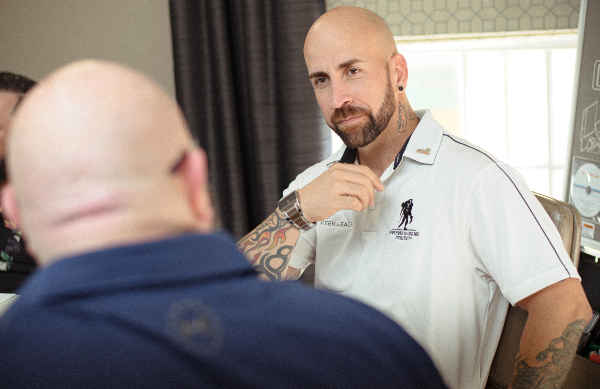
Instead, he suggests asking:
"What do you need from me right now?"
Or:
"How can I support you?"
The answer will be different for everyone.
One person might want advice. Another may need help finding resources. Someone else may want a distraction. Or they might just want someone to listen.
"Sometimes people just need to unload their day, and that's OK," says Kyle.
And if you're not sure what to say next, that's OK, too.
"There are times where just sitting in that space, even in silence, can be helpful," Kyle says.
Sharing doesn't always change the situation, but it can change how heavy it feels.
"When people finally say things out loud, it can be like a release valve. Letting some of the steam out."
Many people carry difficult thoughts and emotions without talking about them. A genuine conversation may be the first opportunity they've had to express those feelings out loud.
And those moments matter.
"You may be the first person who's ever really asked."
TAKEAWAY: Support doesn't always mean solving a problem. Sometimes it means listening, being present, and asking how you can help. |
When Additional Support May Be Needed
Sometimes, listening and checking in aren't the only forms of support someone may need.
Support can take many forms — and what helps one person may not help another. If you think additional support could be valuable, Kyle suggests approaching the conversation with sincerity rather than judgment or pressure.
"Mental health isn't just about talk therapy," Kyle says. "While counseling or coaching may be necessary and helpful for one person, someone else may find exercise, journaling, or peer support to be most valuable.”
Kyle suggests posing questions such as:
- "Have you ever talked with someone about this?"
- "What's helped you cope with this in the past?"
- "Would you be open to exploring some additional support options together?"
How Veterans Manage Stress and Emotions
According to the WWP Warrior Survey*, more than half of warriors say their top strategy for dealing with stress and managing emotions is talking with another veteran.
Connecting with people who understand military life can help veterans feel supported, understood, and less alone.
Through WWP, warriors can connect through peer support groups, local events, virtual gatherings, and other opportunities designed to foster connection and community.
“When someone asks for or acknowledges the need for support, the goal is to help them explore what might be valuable. Wounded Warrior Project can be a resource for service members and veterans and their loved ones,” adds Kyle.
| TAKEAWAY: When additional support may help, focus on exploring options together. Ask what’s been helpful in the past and what support might feel right for them. |
Staying Connected When the Conversation is Over
 A meaningful conversation doesn't end when the discussion is over.
Following up can be just as important as the initial conversation, says Kyle. “It helps reinforce that you care about them and their well-being.”
Checking in can be simple. A few days later, send a text, make a phone call, or share a quick note:
"I was thinking about you today. How are things going?"
You might also invite them to grab coffee, go for a walk, or simply spend time together.
“It’s the consistency that matters. When you open the door, and they let you in, following up builds trust,” says Kyle.
| TAKEAWAY: One conversation can make a difference. Staying connected can make an even bigger one. |
The Last Word
You don't need to be a mental health expert to help someone navigate hardships.
While a conversation may not change their challenges, it can change how they feel and cope with them.
Sometimes the most meaningful thing you can do is notice and show someone they're not alone, says Kyle.
“The bottom line is: Be curious and be genuine.”