

| Table of Contents |
| Part 1: Benefits Delivery at Discharge (BDD) |
| Part 2: Filing for VA Benefits for the First Time |
| Part 3: If You Disagree with a VA Decision |
| How WWP Can Help |
Filing for VA benefits is not the same for all veterans or service members. For many, filing for VA disability benefits can feel overwhelming because the process changes depending on where you are in your journey.
Common stages:
- Preparing to separate from service: You may need to act quickly to meet a specific filing window.
- Filing an initial claim: You may need to protect an effective date while gathering evidence to support a claim.
- Seeking an appeal or increase: You may need to choose the right review path before a deadline passes.
Regardless of the situation, the common thread is preparation. Knowing the timeline, gathering the right records, and seeking the right help can prevent avoidable delays and give you a stronger start on your benefits journey.
That is where an accredited veterans service organization (VSO) like Wounded Warrior Project® (WWP) can help. Through its Benefits Services program, WWP® connects veterans, service members, and their families with accredited experts who understand the VA claims process and can help prepare, file, and navigate the benefits they have earned.
Part 1: Benefits Delivery at Discharge (BDD)
 BDD is for service members who know their separation date and want to file a disability claim before leaving active duty.
Eligible service members must file for BDD between 180 and 90 days before separation. This gives the Department of Veterans Affairs (VA) time to review service treatment records, schedule exams, and begin evaluating the claim before discharge.
Michael Snook, WWP Benefits Training and Operations senior specialist, said one of the most important steps service members can take before separating is to request their service treatment records and determine whether dental, behavioral health, or other clinical records must be obtained separately.
Just as important is creating a complete record of current health concerns before leaving active duty, even if the symptoms seem minor.
“Get seen. Get seen for everything that bothers you, and don’t dismiss minor issues. Get it checked out,” Snook said. “Service members should not dismiss symptoms as minor, age-related, or not worth mentioning. The goal is to make sure concerns are documented while they are still in uniform.”
Key Takeaways for filing a BDD claim
- Confirm your separation date and count backward to avoid missing the 180 to 90-day filing window.
- Locate your entrance exam, often from your Military Processing Station (MEPS), and check both your medical treatment records and personnel file.
- Complete the Separation Health Assessment – Part A Self-Assessment in detail, using your own words to describe pain or changes in health.
- Request a full copy of medical treatment records, behavioral health records if filing a mental health claim, and dental records; Snook noted these can require separate requests through the military treatment facility.
- Gather any private medical records that support your claimed conditions.
- Obtain lay statements from eyewitnesses who can speak to your issues, including your own statement describing how they impact your life.
- Be ready and available for your Compensation and Pension (C&P) exams. Depending on the injuries or conditions claimed, you may be scheduled for multiple examinations depending on the conditions claimed. Keep a copy of your DD214 once it is issued and verify your direct deposit information is accurate.
If you miss the BDD window, you may still submit a claim before separating from service. However, the claim will not be processed under the BDD program. VA will treat it differently.
“It does not fall under the parameters of Benefits Delivery at Discharge,” Snook said, adding that the claim will generally remain pending without exams or claim development until the service member has officially separated and attained veteran status.
Part 2: Filing for VA Benefits for the First Time
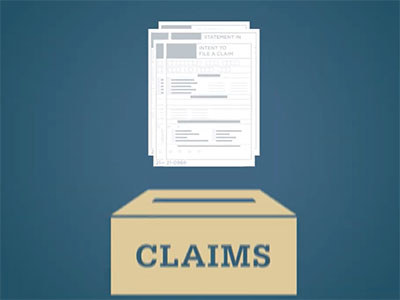 If you’re filing after separation, it helps to understand the three basic elements of a disability compensation claim:
- A current diagnosed disability or persistent condition.
- An illness, injury, event, or exposure that occurred during military service.
- Evidence establishing a connection between the current disability and military service, commonly referred to as a “nexus,” demonstrating that the condition is linked to an event, injury, illness, or exposure during service.
One of the first steps you should consider is filing an Intent to File. This can preserve a potential effective date while you gather evidence and prepare a complete application. If the completed claim is submitted within one year, benefits may be paid back to the Intent to File date if the claim is granted.
For first-time filers, Snook recommends verifying that your service records contain some evidence connected to the condition you plan to claim.
“It doesn’t have to be a diagnosis; just a complaint,” he said. In other words, review your medical records from active duty and identify if you ever brought up any of these issues to your military treatment facility.
Key Takeaways when filing a first-time claim
- File an Intent to File online, by phone, by mail, or in person before gathering the rest of the evidence.
- Find an accredited VSO or other accredited representative before submitting the claim.
- Collect your DD214 or other separation documents, service treatment records, VA medical records, private medical records, test results, and hospital reports.
- Claim conditions that currently exist and for which there is medical evidence, treatment history, or ongoing symptoms.
- Ask for lay statements from those who are familiar with your conditions and how they impact you.
After a claim is filed, watch for notification letters from VA, requests for additional evidence, and exam notices. Frank Logalbo, WWP Benefits Training and Operations associate director, said being proactive matters because the VA may ask for clarification, signed releases, or supporting documentation before deciding whether additional exams are needed.
You can track a claim through VA.gov, but be prepared for exams, scheduled through VA-contracted examination providers. Logalbo emphasized the importance of monitoring email, phone calls, and mail to avoid missing an exam notice or VA request.
Part 3: If You Disagree with a VA Decision
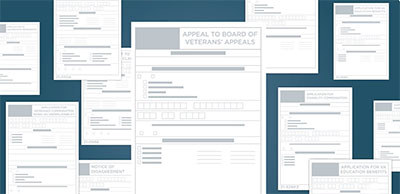 If you disagree with a VA decision, such as a denial of benefits or the disability rating assigned to your condition, you have several review options available.
In most cases, you have one year from the date of the decision letter to select a review option and continue pursuing your claim. If your service-connected condition(s) worsened, you may also choose to file a claim for an increased disability evaluation.
Review Options
- File a Supplemental Claim
Choose this option if you have new and relevant evidence that VA did not previously consider. Examples may include new medical records, a medical opinion, or other evidence that addresses the reason VA denied or underrated the claim. - Request a Higher-Level Review
If you believe VA made an error based on the evidence already in your file, you may request a review by a more senior VA adjudicator. No new evidence can be submitted. The reviewer will examine the existing record to determine whether the original decision should be changed. - Appeal to the Board of Veterans' Appeals
You may ask a Veterans Law Judge to review your case. Depending on the review option selected, you may:
- Request a review based only on the evidence already of record.
- Submit additional evidence for consideration.
- Request a hearing before a Veterans Law judge.
Each option serves a different purpose, and the best choice depends on why you disagree with the decision and whether you have additional evidence to support your claim.
Key Takeaways when filing an appeal:
- Read the decision letter carefully and note the date on the letter, since some review options must be requested within one year.
- Choose the appropriate review option: a Supplemental Claim if new and relevant evidence is available, a Higher-Level Review if no new evidence is being added, or a Board Appeal for review by the Board of Veterans’ Appeals.
- Work with an accredited representative to avoid missing deadlines and to choose the right review option.
- Keep copies of everything submitted and track the claim status regularly.
How WWP Can Help
Snook said it is best to talk with an accredited representative before filing a claim, especially the first time.
“Sit down with an expert and make sure you’ve dotted your I’s and crossed your T’s,” he said.
Beyond helping veterans and service members file, the WWP Benefits Services team helps warriors understand what to expect, how to respond to VA requests, and how to stay on track from filing the initial claim to receiving a decision. They also help veterans and service members understand their options and next steps after a decision is issued.
“The goal is to keep veterans informed and engaged throughout the process rather than leaving them to navigate it alone,” Logalbo said.