
I wasn’t looking for a career when I joined the Air Force at 19. I had a simple plan: I wanted to earn money for college, challenge myself, and move on. But like many things in life, that plan changed. What I found in the military was far more than a job. I found purpose and a lifelong calling that would shape the next three decades of my life.
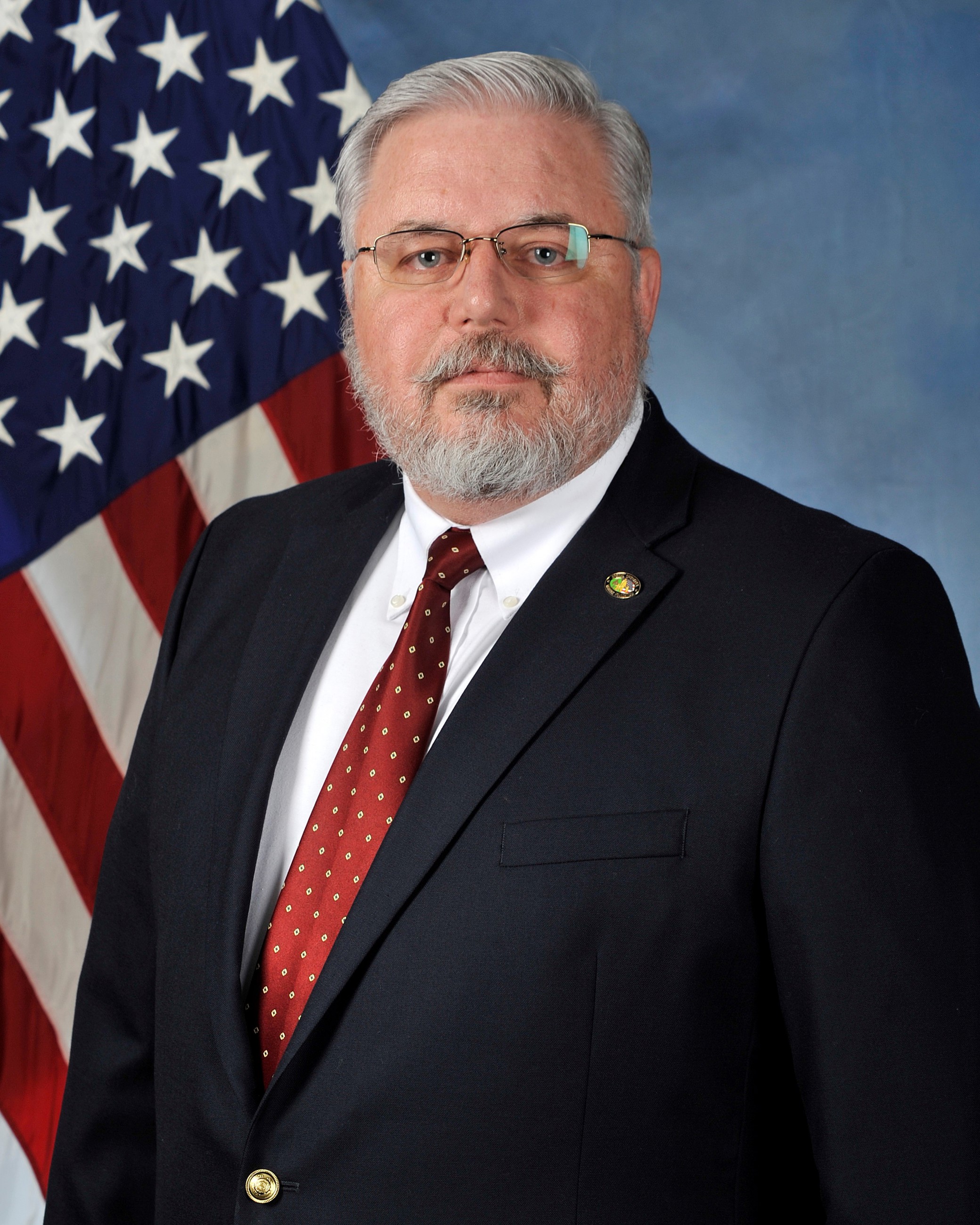
I began my military career as a gunner on a B-52G before moving into Special Operations. I spent 15 years deployed in various combat environments and endured the loss of more than 60 friends, colleagues, and compatriots. Beyond the psychological toll, years of operational wear and tear had battered my body. My spine resembled a shattered China cup glued back together, and my ankle bore the arthritis of an 80-year-old. Physical pain, chronic sleep deprivation, and recurring nightmares were the norm.
Yet, the sudden separation from service when I was medically retired left me feeling alone and without purpose.
Finding Those Who Understood
Retirement took away the structure and identity I had known for most of my adult life. I felt isolated, angry, and disconnected from the people I loved. On the outside, I looked capable and stable. On the inside, grief and anxiety followed me everywhere. After decades of operating under certain kinds of pressure, I struggled to find my footing. find my footing. Alcohol became my way of coping.
Eventually, I realized I was heading down a path I had seen too many fellow veterans travel. I needed to do something different.
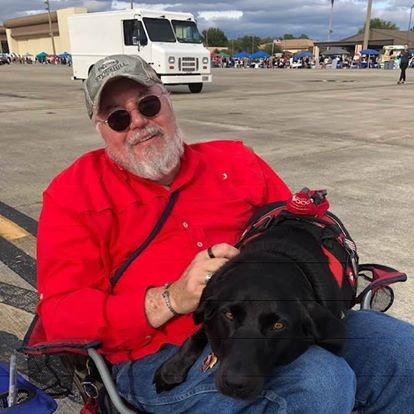
I started therapy, and that, along with receiving my service dog, Maggie, helped me recognize the physical signs of my anxiety before it escalated. My wife and son stood by me as I started to understand post-traumatic stress disorder (PTSD) and survivor’s guilt. But still, something was still missing. I soon realized that I also needed to be around people who understood military culture and the challenges that can come with building a life after service.
I learned about Wounded Warrior Project® (WWP) from a mentor who was instrumental in so many stages of my life. WWP® gave me something I desperately needed: connection and community. Through peer support and programs including WWP Talk and Project Odyssey®, I met other veterans who understood that transition from service is not always straightforward. For the first time in a long time, I didn’t need to explain everything before someone understood what I was carrying.
Time to Face My Fears
Over time, my experiences led me to become a peer mentor for WWP. It felt good to help others, and it was particularly meaningful to connect veterans with the support, resources, and community that had helped me.
Then in 2022, I lost my father and my best friend within two weeks. Although I’d carried my challenges privately for most of my life, this time was different. The grief hit hard, and I couldn’t simply put my head down and keep moving. I knew I needed help. With WWP’s help, I made a plan to focus on my mental health. I found myself en route to Atlanta, signed up to participate in Warrior Care Network®, a two-week intensive outpatient program at Emory University.
I had recommended the program to other veterans many times, but up until that point, I hadn’t found the courage to face my own demons. Having studied psychology, I knew healing was a process that required deep personal commitment and a readiness to accept help, but I still didn’t know how I felt about it. The idea of being somewhere for two weeks with a group of other people and attending multi-hour clinical therapy sessions didn’t sound very appealing.
I was incredibly nervous during my travel, but I kept remembering a quote by Joseph Campbell: “The treasure you seek dwells in the cave you fear the most.”
A Welcoming Sign of Hope
At Emory, I joined a cohort with three other veterans: a man my own age and two women about the age of my children. As we looked around, it was clear that we all wondered whether we would stay.
Anxiety was high the next morning, as we entered a briefing room that I was stunned to see named after a fellow airman I had served with, a Medal of Honor recipient whose death was one reason I was seeking help. Seeing his name brought tears to my eyes, but it felt like a sign that I was in the right place. From then on, I tapped his nameplate every time I entered or left the room.
Looking Beneath the Surface
From that beginning, Warrior Care Network challenged the mindset that I had to carry every burden on my own. With the support of my care team and fellow veterans, I finally had a safe, structured environment to confront things I had spent years burying. My treatment was tailored to me, and the clinical work challenged some of my assumptions about events I had long identified as the source of my trauma.
I arrived at Emory expecting to focus on my military service trauma. But within the first few sessions, memories surfaced that forced me to look deeper. I began to see how childhood trauma had also shaped my PTSD.
My care team adapted my treatment plan to address those broader issues. I began to recognize how earlier losses and experiences had shaped the survival mechanisms I carried into adulthood and military service. The habits that helped me thrive in demanding environments were no longer helping me heal.
That realization wasn’t easy, but it was freeing.
I learned that healing is not about forgetting the past or minimizing what happened. It’s about understanding how those experiences continue to affect my present life and then learning healthier ways to respond.
Therapy also helped me recognize my anxiety triggers and gave me practical tools to manage them. For the first time, I was able to quiet the doubts that had long shaped how I saw myself and the guilt I carried.
Learn more about mental health programs from WWP
Whole Person Care
Warrior Care Network’s whole-person approach to care went far beyond traditional therapy. Treatment was not limited to sitting in a room and talking to a therapist.
Soon after we arrived, the clinical team conducted a range of medical screenings, including blood tests and assessments, all meant to understand how our bodies were coping with everything we carried. I specifically remember having my cortisol level measured, which gave me a tangible measure of my stress.
In addition, some of the most meaningful opportunities happened outside the therapy room. Music therapy, art classes, and yoga offered new ways to reflect on what we were learning and apply it in practice. Yoga, in particular, helped me quiet my mind, manage anxiety, and find a needed laugh or two.
Another important part of my recovery came from being part of a cohort of warriors. My group included people with different ranks, backgrounds, and service experiences, but we shared a common understanding. The conversations around the dinner table were often as powerful as the clinical sessions. We could speak honestly without having to explain every detail or fear being judged. Over two weeks, strangers became family.
Reinforcement on the Trail
Each day at Emory, I walked a 2-mile trail, finding time alone important to process what I was uncovering in therapy. The path became a sanctuary for reflection.
The treasure you seek dwells in the cave you fear the most.
During my first walk, I had an unexpected and intense flashback. As jarring as it was, it became a turning point. Rather than avoiding it, I challenged myself to walk past that spot every day. Over the two weeks, every lap became a bit easier.
On my final day at Emory, as I approached that same area on the path, I saw a red-tailed hawk perched on a tree branch just a few feet away from me. He tracked me with his eyes, remaining completely motionless as I stopped to watch him.
In Cherokee tradition, the red-tailed hawk is considered a spirit guide — a sign of an angel watching over you, encouraging you to grow and move forward. For a full minute, we both remained still, locked in eye contact. Then, as if to tell me I was on the right path, the hawk let out a sharp cry, holding my gaze for one last second before spreading his wings and flying away.
To me, that moment represented what Warrior Care Network meant to me: courage to face the past, tools to move forward, and hope for what came next.
Bringing a Changed Man Home
Warrior Care Network gave me uninterrupted time to focus on healing. Away from the distractions of daily life, I built routines around sleep, reflection, and healthy coping strategies that I could continue at home.
By the end of my two weeks at Emory, I felt lighter than I had in years.
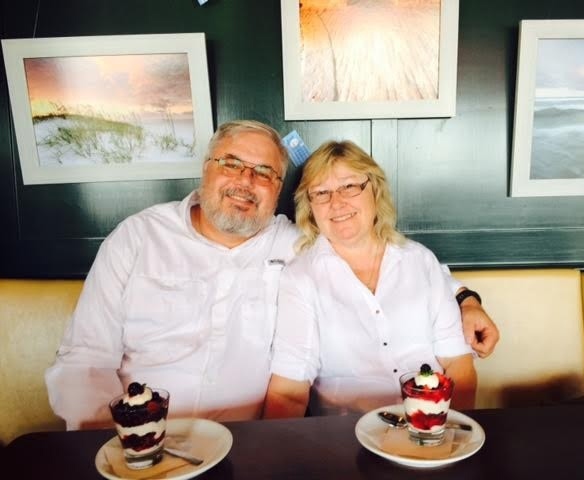
When I got home, my wife told me she could see the man she married again, the man I was before decades of combat and loss had changed me.
My wife’s comments meant a lot because she and my son had lived alongside my anger, isolation, sleeplessness, and anxiety. Now, they were seeing a different me. I was putting what I learned into practice. I communicated more openly, responded differently, and began rebuilding the relationships that mattered most.
Warrior Care Network gave me a foundation I did not have before. It didn’t erase my history; it gave me a better way to live my future.
Recovery is still a work in progress. There are good days, and not-so-good days. But my relationships with my family are stronger than ever, and my passion for helping other veterans remains as strong as ever, too.
Learn how Warrior Care Network can help you heal
Turning Healing into Purpose
Confronting my past took over a decade of struggle, but through Warrior Care Network, I found the strength to face my trauma rather than allow it to dictate my future.
My experience also helped me find a new sense of purpose and what I wanted to do in the next chapter of my life.
After completing Warrior Care Network, I went on to earn a master’s degree in psychology, and now I dedicate my time to helping fellow veterans navigate their own recovery. I still serve as a WWP peer mentor and alumni volunteer, and in my spare time, I share lessons beyond the veteran community.
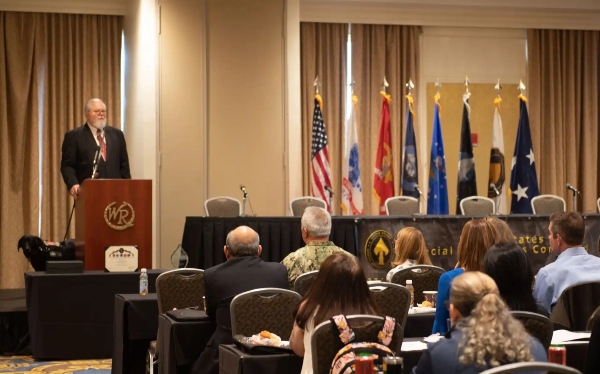
For instance, at a U.S. Marshals Association conference, I spoke about resilience, my experiences with WWP and Warrior Care Network, and finally realizing that strength means letting others help you carry the difficult things in life.
A Chance to Do Life Differently
People sometimes ask if I would do it again, knowing the pain and struggles I’ve faced. I always say the same thing, “I wouldn’t change a single moment.” I have had the opportunity to live an extraordinary life, serving my country with distinction. Now I’m serving in a different role.
Today, whenever I speak with veterans, I ask them three direct questions to gauge where they stand on their journey:
- Are you happy?
- Are you healthy?
- Are you safe?
Those questions may sound simple, but they have the power to open the door for honest conversations.
If the answer to any of the questions is no, I remind veterans that they don't have to wait until life becomes unbearable to ask for help. I share how WWP helped me find connection, how Warrior Care Network gave me the tools to heal from trauma, and how I found a renewed sense of purpose.