
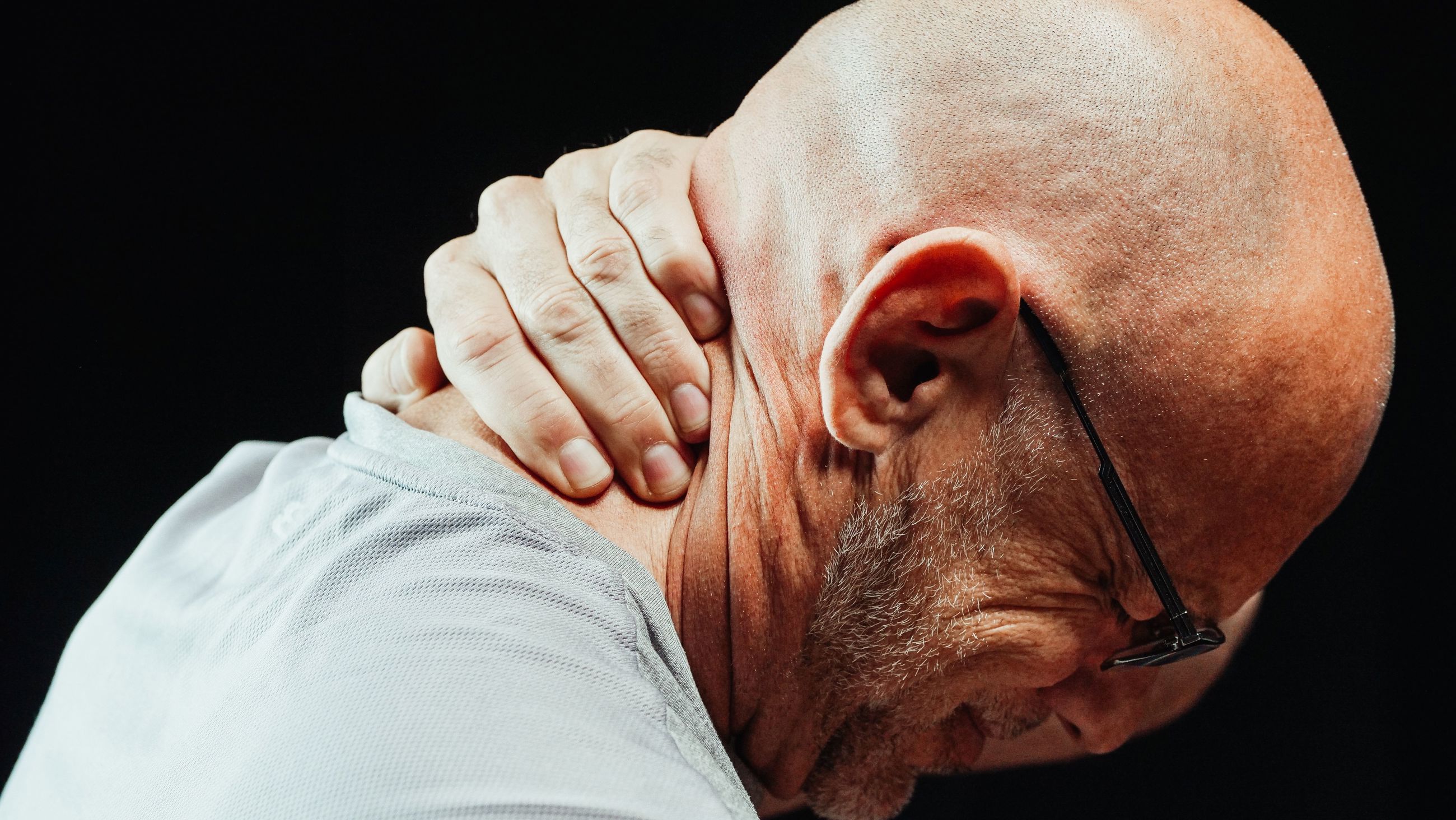
Chronic pain affects millions of Americans, but veterans experience it at higher rates. Research shows that chronic pain is one of the most common health concerns affecting veterans.
For those living with it, chronic pain doesn't just hurt. It can be physically and mentally exhausting and affect daily life. For many veterans, pain can make it harder to sleep, stay active, maintain relationships, or enjoy everyday activities.
Experts say that understanding chronic pain and its effects can help veterans better manage symptoms and improve their quality of life.
Chronic Pain is More Than Physical
It’s easy to think of pain as a physical problem. But for many veterans, chronic pain can affect nearly every aspect of daily life. Common effects of chronic pain may include:
- Disrupted sleep and fatigue
- Increased stress
- Anxiety or depression
- Reduced mobility
- Difficulty concentrating
- Social withdrawal
- Strained relationships
- Loss of confidence
“Chronic pain is not just a physical experience. It is a whole-body condition that affects your brain, your relationships, and your quality of life,” says Dr. Daniel H. Daneshvar, chief of Brain Health for Home Base (Massachusetts General Hospital), an academic medical center in Warrior Care Network®.
Because the nervous system processes pain, its effects can extend well beyond physical discomfort.
“Pain affects mental health, including mood, attention, stress, sleep, and motivation,” explains Daneshvar, who is also chair of the Department of Physical Medicine and Rehabilitation at Harvard Medical School and Mass General Brigham.
The Impact of Pain on Veterans
According to the latest Warrior Survey* from WWP®, 95% of warriors reported experiencing pain during the previous three months, and more than three-quarters reported moderate or severe pain levels that interfered with daily activities. Over half also said they were only “a little effective” or “not at all effective” at managing their pain.
Wounded Warrior Project® (WWP) established Warrior Care Network in 2016 to help veterans heal from mental health concerns, including post-traumatic stress disorder (PTSD), traumatic brain injury (TBI), chronic pain, and related challenges.
Learn more about Warrior Care NetworkAli Heck, a Physical Health and Wellness coach at WWP, says those findings reflect what she hears from veterans every day.

“Many veterans begin planning their lives around pain,” Heck says. “They start to avoid movement, tasks, and activities because they’re afraid of making the pain worse.”
Over time, this pattern can make pain harder to manage.
“The less a person moves, the more likely they are to lose strength, which can contribute to increased physical weakness and stiffness,” adds Heck.
Everyday tasks may become harder, frustration can build, and pain can feel even more limiting.
“It’s so easy to get stuck in the cycle of pain,” she says. “The good news is that there is hope for breaking that cycle. By understanding how pain works, veterans can begin to get back to the life they want to live.”
Understanding How Pain Works
Pain is the body’s natural alarm system.
“It alerts us to injury, and then it encourages us to slow down and protect ourselves while we heal,” explains Daneshvar.
One common misconception is that pain always means something in the body is injured. But that’s not always the case.
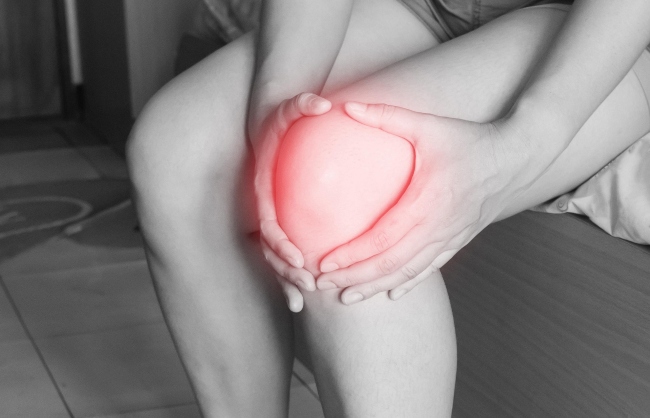
“The experience of pain is always real, but the presence of pain doesn’t necessarily mean there is ongoing trauma,” he says, noting that sometimes, even after healing has occurred, the nervous system remains on high alert.
Daneshvar compares it to a smoke detector.
“A smoke detector is incredibly useful because it tells you if there’s a fire,” he says. “But if it goes off every time you make toast — even though the alarm is still real — the house isn’t burning down.”
With chronic pain, the nervous system has become overly protective. “Instead of responding only to danger, the brain begins interpreting normal movement or everyday sensations as threats, and those activities feel more painful than they otherwise would,” he explains.
The encouraging news is that this response can change.
“We can retrain the brain related to movement, function, and reducing that heightened sensitivity,” Daneshvar says.
When Chronic Pain and PTSD Overlap
For many veterans, chronic pain isn’t the only challenge they’re managing. Conditions such as PTSD, anxiety, and depression can occur alongside pain, and each can make the others harder to cope with.
“Pain and PTSD in particular, share many of the same pathways in the brain,” Daneshvar says. “When the nervous system remains on high alert, it can intensify both the emotional and physical experience of pain. Everything is connected.”

Because these conditions are so closely linked, treating them separately isn’t always the most effective approach. Programs like Warrior Care Network® bring together specialists from different disciplines to create treatment plans tailored to each veteran’s needs.
“It’s so important to treat the whole person,” Daneshvar says, noting that treatment may include such evidence-based therapies as prolonged exposure therapy and cognitive processing therapy, alongside other clinical care, peer support, and family services.
“When we address the physical and emotional aspects of pain and related conditions together, we can help veterans move forward, regain function and get better,” he adds. Veterans who enter Warrior Care Network typically see symptom reduction within weeks.
Shifting Your Mindset
While programs like Warrior Care Network provide valuable, comprehensive care, not every veteran needs or is ready for that level of treatment.
Heck says that no matter where someone is in their healing journey, understanding how pain works — and learning new ways to respond to it — can help break the pain cycle.
As a physical health and wellness coach, that is part of her role.
“One of the biggest mindset shifts for veterans is to realize they don’t have to be tethered by their pain,” she says. “So many people use pain as an identifier. They’re like, ‘I’m in pain, so I can’t do XYZ.’ But if we can help them build awareness about what’s happening, it can help them move forward.”
One lesson Heck often teaches is to get curious about pain. “Instead of immediately assuming every pain flare means something is wrong, check in with yourself and challenge those automatic thoughts,” she says.
She often uses the same alarm-system analogy described earlier.
“We talk about false alarms being just as loud as real alarms. Sometimes your brain is trying to protect you even when there isn’t danger. We need to learn how to send messages to ourselves of ‘I’m safe. This isn’t danger.’”
Movement is Medicine
Research increasingly shows that movement is one of the most effective tools for reducing pain while improving physical function, sleep, and overall quality of life. 
“When people avoid movement, it’s because they are afraid of pain. But the nervous system is adaptable, and movement is one of the most powerful tools we have to help retrain the nervous system,” explains Daneshvar.
The Department of Veterans Affairs (VA) recommends exercise and movement-based therapies as an important part of chronic pain management.
“The more that you move, the more you’re able to move,” says Heck, who says the goal isn't about eliminating pain overnight, but rebuilding strength, confidence, and trust in the body. “I encourage veterans to start with slow, safe, graded movement, such as a walk around their house or some simple stretching.”
WWP can also help veterans connect with resources, including physical therapists and other wellness professionals.
| Takeaway: Build intentional moments of calm into your day. Gentle stretching, guided breathing, mindfulness activities, relaxing hobbies, or play can help remind your brain that you are safe. If pain starts, pause and ask, “Is this a real danger, or is my brain sounding a false alarm?” Then choose one small action that helps you shift from pain back to purpose. |
Healing Happens Together
Veterans living with chronic pain may unintentionally withdraw from hobbies, relationships, and activities they once enjoyed. What starts as an effort to avoid pain can gradually lead to isolation.
According to WWP’s Warrior Survey, 79% of warriors report feeling isolated. 
“Social connection plays an important role in healing because pain can be an incredibly isolating experience. People need people,” says Heck, which is why WWP incorporates opportunities for veterans to connect across all its programs.
“When veterans connect with others who understand what they are going through, they find motivation and community, which can help them as they work towards their goals,” Heck says.
Recovery Takes Time
Living with chronic pain doesn’t mean giving up the life you want to live.
Recovery looks different for every veteran, and progress doesn’t happen overnight. Small changes, practiced consistently over time, can make a meaningful difference.
“Give yourself grace. Be kind to yourself,” encourages Heck.
Pain may remain a part of a veteran’s story, but it doesn’t have to define it. Through education, trusted support, evidence-based care, and practical strategies, veterans can rebuild confidence, regain function, and get back to doing what matters most.