
By Juan Valdez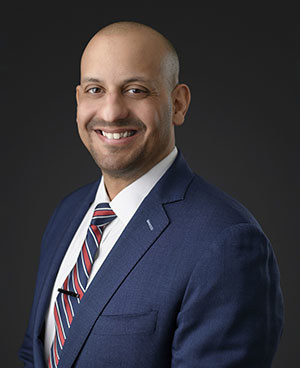
I joined the US Marine Corps in January 2004. I realized quickly that the Marines put you through a lot of training before you’re ever sent into combat. In essence, the training is about proving you’re ready to go to war.
I learned skills like calling for fire (CFF), requesting mortar and artillery strikes, and coordinating close air support (CAS). But the most important skill I learned was calling in what was known as a 9-line medevac, a military radio format used to request the emergency evacuation of wounded service members.
When someone got hurt, a 9-line got help moving and helicopters in the air. The call is sent up the chain of command to launch the Quick Reaction Force (QRF). The information they need includes details like:
- Location
- Frequency/callsign
- The number of patients by urgency (urgent, routine, priority)
- Special equipment required
- The number of patients by category
In combat, nobody questioned whether they deserved help. Nobody worried about looking weak. If somebody was hurt, you did whatever you could to keep them alive. And you sent up the 9-line call for support. I understood that system well, as did my team.
On Halloween 2006, during a routine foot patrol with the Iraqi Army, I heard the snap of a sniper’s round breaking the sound barrier. Then I fell back. I had been shot in the chest.
My team responded exactly as they’d been trained.
The team leader dragged me across the road and immediately started first aid. Another Marine sent up the 9-line, getting QRF and the medevac helicopter moving. After my team loaded me into the back of a Humvee, a corpsman held my hand because, despite being brand-new, the door of the vehicle wouldn’t latch shut. I could hear the driver laying on the horn while the gunner screamed at people to move out of the way.
When we reached the landing zone, they moved me onto a stretcher that wouldn’t open all the way. Despite the gravity of the situation, I found this amusing. I wanted to laugh, but I couldn’t breathe all that well. The bullet had damaged my lungs, ribs, and back.
That day, my fellow Marines and the QRF did the jobs they’d been trained to do. Their response saved my life.
I would have done the same for any of them.
But it took me years after leaving the Marines to learn how to send up my own 9-line and ask for help for myself.
Learning About Strength and Service
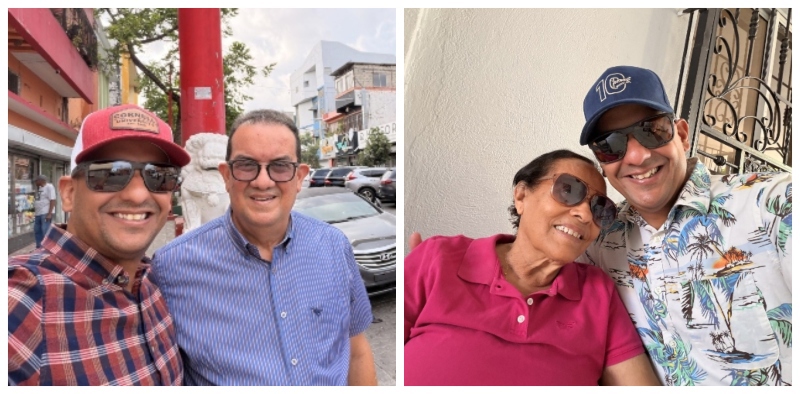
I was born in the Dominican Republic and came to the United States as a child. My family settled in Boston, where several families shared a small apartment while everyone worked to build a better life.
Growing up, I didn't think of us as struggling. My parents worked hard. They sacrificed. To me, it was just life. What I remember most is learning to keep moving forward.
In my family, we didn’t talk much about emotions. You handled your problems and kept going. Looking back, I don't think anyone was intentionally trying to teach me not to talk about feelings. It just wasn’t something we did. You either figured things out on your own or pushed them aside.
As a teenager, I loved history. I loved stories about people who sacrificed something bigger than themselves. I was a skinny kid, terrible at baseball, and often got picked on, but I admired people who worked hard and stood up for others.
I knew I wanted to join the military. When I found JROTC in high school, I found a sense of purpose and belonging that I’d never experienced before. I felt like I was a part of something bigger than myself.
I joined the Marine Corps shortly after graduation. I found a sense of familiarity, especially during my infantry training. Mission first. Take care of your people. Push through. Don't complain. Don't quit.
Those lessons helped me succeed as a Marine. They helped me earn trust, build resilience, and lead others. But they also made it harder to recognize when I needed help myself.
For a long time, I believed strength meant carrying everything on my own; asking for help was a sign of weakness.
Surviving Was the Easy Part
I deployed to Iraq in 2006 and again in 2009. Like a lot of veterans, I had seen things most people never experience, and I came home from each deployment carrying things I didn't fully understand. I began experiencing post-traumatic stress (PTSD), anxiety, and depression.
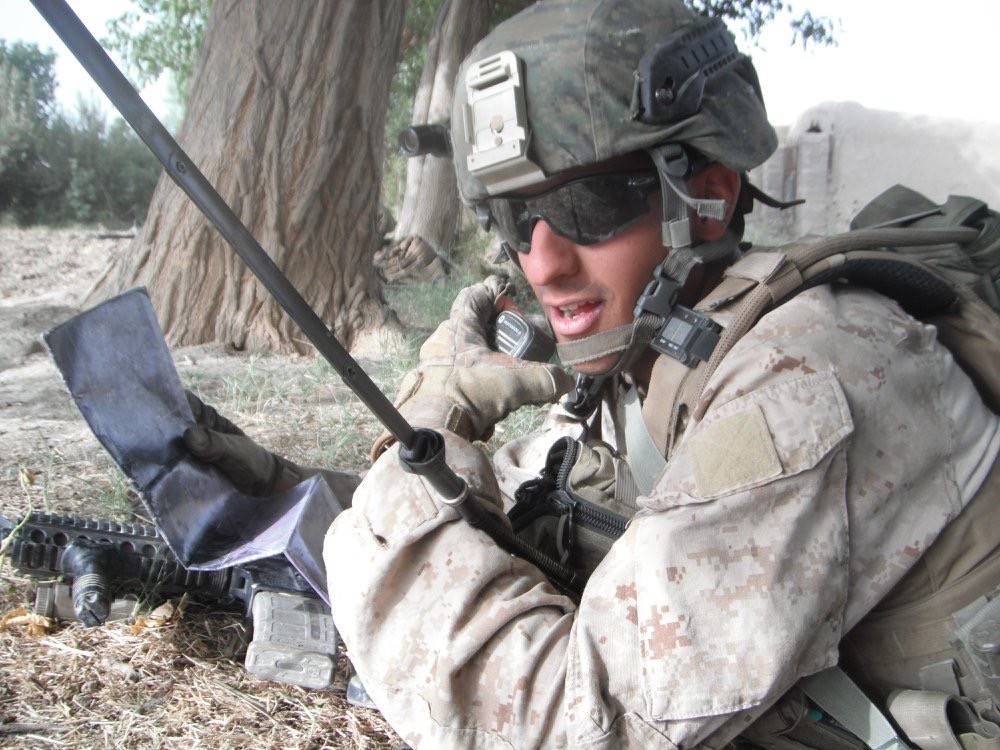
Juan Valdez serving in Afghanistan in 2011.(The appearance of U.S. Department of War (DoW) visual information does not imply or constitute DoW endorsement.)
People often assume my darkest moments started after I got shot in Iraq. The truth is, they started years earlier. I’ve had suicidal thoughts multiple times throughout my life.
After my first deployment with the 26th Marine Expeditionary Unit, I went through a difficult divorce. I had very limited visitation with my children. I’d lost a leadership position and thought my military career was over.
At the time, it felt like everything that mattered had been taken away. I attempted suicide.
But then a little voice I can still remember said, “This isn’t who you are. You’re not a quitter.”
The thoughts didn’t fully disappear, though, but I kept moving forward. The military gave me something I desperately needed: purpose. I knew who I was in uniform. I knew my mission. I knew how to protect people around me.
Then I got shot in Iraq.
While my physical wounds healed, the negative thoughts came back, along with the PTSD, anxiety, and depression. I was angry all the time, too. I was hypervigilant. Every room, every crowd, every situation got scanned automatically. Part of me was always waiting for something bad to happen.
At first, I thought this meant I was strong, that I was still prepared to protect people.
The darkest moments came when I believed I’d lost my purpose.
Over time, though, it became harder to manage my thoughts, emotions, and memories.
I drank too much. I got into fights. I pushed people away. Friends stopped inviting me out because they never knew which version of Juan would show up. Everybody around me was tired. Isolation made me think I had to carry these burdens alone.
Years later, I went through another divorce. Once again, it felt like everything that mattered was gone. I found myself asking the same question I’d asked before: "What’s left? What’s the point?"
Eventually, I realized there was a pattern. The darkest moments didn’t come when I was under fire. They came whenever I believed I’d lost my purpose.
Sending Up My Own 9-Line
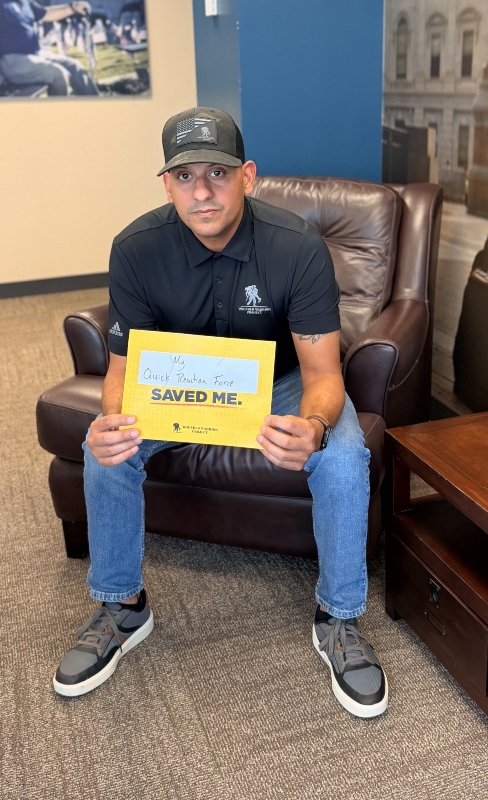
One day, something finally clicked.
I thought back to everything I’d learned as a Marine. When someone was wounded, we didn’t ignore it. We didn’t pretend everything was fine. We got help moving.
That’s when I realized I needed to do the same thing for myself.
I reached out. I sent up my own 9-line. My own personal QRF responded.
Granted, nobody fixed me overnight. Recovery doesn’t work that way. But people showed up. They listened. They walked beside me while I learned how to navigate life again.
The support came from many places. I connected with folks from the VA and local veterans’ centers, Wounded Warrior Project® (WWP), the Semper Fi Fund, Patriotic SD Foundation, and Soldiers Who Salsa. I made connections with other veterans, who became a big part of my healing. I participated in several mental health programs, including Warrior Care Network®, an accelerated treatment program, and received follow-up care with a therapist through Centerstone.
Recovery happened one day, one appointment, one conversation at a time.
Finding Hope Again
People sometimes ask if I still struggle. The answer is yes. I still live with PTSD. I still deal with anxiety and depression. I now have four kids, and there are moments when I still feel overwhelmed. But I don’t get to “What’s the point?” anymore.
I’ve learned to recognize the warning signs before I get there. I’ve also learned to rely on the lessons and tools that have helped me along the way.
Through Warrior Care Network, therapy, and the support of many others, I’ve gained something I didn’t have before: Hope.
- Hope isn’t believing life will never get hard again. I know it will.
- Hope is knowing that a hard day doesn’t have to become a hopeless day.
- Hope is knowing I have people I can call. I have my QRF.
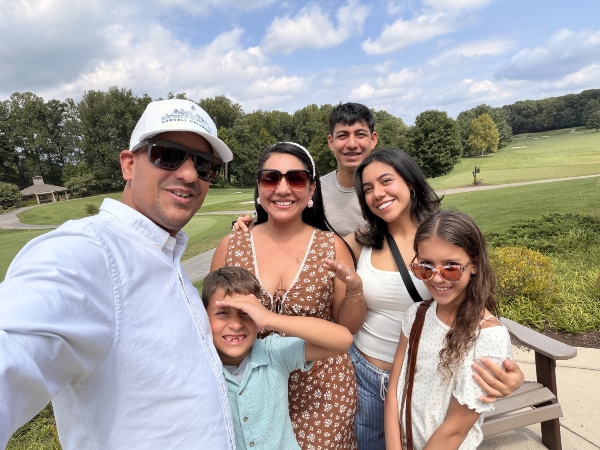
Today, hope allows me to keep moving forward and find new purpose.
I’m working on my master’s degree because I still want to help people and solve problems, specifically those related to veteran homelessness.
I look for opportunities to help service members and veterans learn healthy ways to process their experiences before those experiences become things they carry for years.
Some of my favorite moments now are ordinary ones: sword fights in the kitchen with my son, lip-sync battles, and enjoying cookies I accidentally overbaked with my daughter. Just being Dad.
Years ago, I wasn’t sure I’d still be here for moments like that.
Today, I’m grateful that I am.
Learn about WWP's mental health support programs.
How to Find Your Quick Reaction Force
Whether you’re still serving or you’ve been out for twenty years, life is going to knock you down sometimes. The important thing to remember is that you are never truly alone.
There are people all around you. You can find and build your community. You just have to be willing to let people in. I’ve built mine through WWP®, my church, Brazilian Jiu Jitsu, and dancing.
One of the things I tell people all the time is, “You are not a burden. There are people who genuinely want to help and will look out for you.”
So, when life gets hard, like it tends to do, go back to your training. Send up your own 9-line and let your QRF show up for you.
Semper Fidelis.