
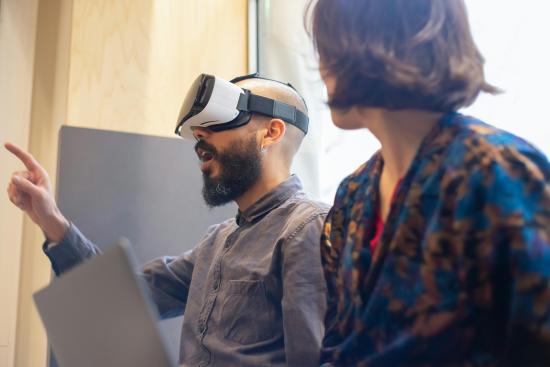
How Wounded Warrior Project is Shaping Innovative Solutions and Enhanced Care
Post-traumatic stress disorder (PTSD) and traumatic brain injuries (TBI) have emerged as signature wounds of America's longest wars, affecting thousands of post-9/11 veterans. As this population ages, experts say their care needs are becoming increasingly complex.
John Eaton, vice president for Complex Care at Wounded Warrior Project® (WWP), is helping lead the organization’s efforts to reimagine how veterans receive mental health. In a wide-ranging interview, Eaton outlines WWP's vision for transforming veteran care through innovative partnerships, advanced therapies, and emerging technologies. From artificial intelligence and virtual reality to promising psychedelic-assisted treatment, WWP® is exploring ways to improve access, personalize care, and expand options for veterans.
What Is the Current State of Veteran Mental Health?
Mental health and wellness are a daily battle for many people; veterans included. PTSD, depression, and anxiety affect millions of service members and veterans, making mental health one of the most pressing issues in the military community.
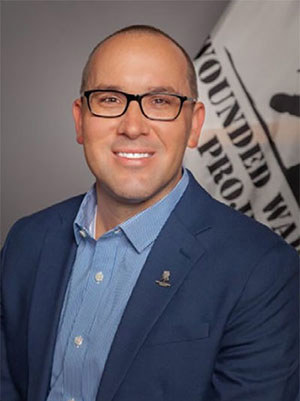
John Eaton, vice president of Complex Care for WWP.
Based on WWP's most recent Warrior Survey,* 77% of WWP warriors live with PTSD. About the same number live with anxiety and depression. And more than 55% reported living with a traumatic brain injury (TBI). These conditions have been shown to put warriors at greater risk for loneliness, substance use, and a diminished quality of life.
Although the Department of Defense and the Department of Veterans Affairs recognize the importance of mental health care for military service personnel and veterans, access to care — and the stigma around seeking care — remain significant challenges.
| Did you know? According to the National Alliance of Mental Illness, it takes an average of 11 years from the onset of symptoms for a person to access mental health services. This delay can worsen conditions and lead to other downstream issues, including relationship challenges, unemployment, increased substance use, and even suicide. |
Veterans often encounter barriers such as inconsistent wait times that can vary across the country. Warriors living in rural or remote areas face more limited resources. Many also remain hesitant to seek care due to past experiences or shame. As a result, veterans often struggle for years in silence.
These issues underscore the need for innovative approaches to proactively address risk factors, prioritize timeliness and accessibility, and deliver care that meets the unique needs of each veteran.
What Is WWP's Vision for the Future of Veteran Mental Health?
WWP has a bold vision: a world where every veteran can access the mental health care they need when and where they need it. We believe a future without PTSD is possible, and we have set an ambitious goal to help make that future a reality.
Achieving that vision will require continued innovation, collaboration, and a commitment to change. From supporting research and exploring advanced therapies to strengthening peer support and advocating for policy improvements, WWP is committed to helping every veteran have the opportunity to heal and thrive.
How Is Technology Enhancing Support for Veteran Mental Health?
Technology is helping transform veteran mental healthcare in a variety of ways, from making treatment more accessible to helping clinicians personalize care and improve outcomes.
Expanding Access Through Telehealth
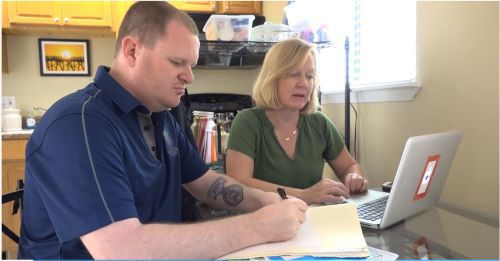
Telehealth is one of the best advancements in mental healthcare. During the COVID-19 pandemic, the use of telehealth skyrocketed, and the trend continues today.
Telehealth offers a way to connect to care no matter where someone lives. It breaks down barriers like long travel times and inflexible schedules. For veterans in rural areas or those juggling family and work commitments, access to support via phone or computer can be a lifeline.
Using Technology to Personalize Care
Artificial intelligence (AI) and machine learning are changing how we understand and treat veteran mental health.AI-driven tools can assist in early diagnosis by looking at speech, behavior, and other data patterns that may help clinicians recognize concerns earlier, evaluate treatment effectiveness, and tailor support to individual warriors.
Given the initial findings, WWP is expanding its investment to integrate AI into its programs and elevate the services it provides to warriors.
For instance, one Warrior Care Network® partner is researching how machine learning can help identify which treatment may be most effective for a warrior and whether additional tailored support may help them make greater progress in their recovery. WWP is looking at further investments in these technologies to determine their impact on helping warriors achieve maximum mental well-being.
What Is Precision Care – and How Is it Changing the Delivery of Care for Veterans?
Precision care recognizes that no two veterans are alike. It is an approach that matches, or tailors care to the individual — taking into account experiences, symptoms, preferences, and goals — and then connecting them with treatment that’s more likely to be effective.
Warrior Care Network partners are beginning to implement this approach in outpatient settings to personalize care for each warrior, addressing different aspects of their recovery. By looking at the whole warrior, we can create a personalized path to healing.
Learn more about resources and support for PTSD
Are There Any New Treatment Approaches On the Horizon for Veterans?
Yes. The landscape of mental healthcare is rapidly evolving. As we grow our understanding of PTSD and brain health, so do the tools available to support recovery. Traditional therapies remain the foundation of care. While these treatment options work for many, they don’t work for everyone. There are many new approaches being studied – including psychedelic-assisted therapies – in hopes that more veterans can find healing and reclaim the lives they want to live.
We are in a time of unprecedented innovation. In the next two years, we expect to see more new mental health treatment options emerge than we have in the previous two decades. WWP is driving progress — funding bold research, partnering with leading clinicians, and championing policies that get warriors the care they need.
The goal is simple: give veterans more options, so more people can find the care that works best for them.
Advanced Therapies for Veteran Mental Health
The future of mental healthcare isn't about replacing existing treatments. It's about building a broader, more personalized approach to care so veterans get the right treatment when they need it.
Currently, there are several advanced therapies being studied for PTSD, depression, and other conditions. These approaches are intended to complement existing evidence-based treatments – not replace them – to offer veterans more options to support their healing.
Examples include:
- Transcranial Magnetic Stimulation (TMS): Uses magnetic pulses to stimulate specific areas of the brain involved in mood and emotional regulation. This is currently approved for depression.
- Transcranial Direct Current Stimulation (tDCS): Uses low electrical currents to support brain activity and is being studied for its potential role in improving symptoms.
- Stellate Ganglion Block (SGB): An injection given near nerves in the neck that may help reduce overactive stress responses associated with PTSD.
Psychedelic-Assisted Treatment
There is also growing interest in psychedelic-assisted therapies, which combine certain medications with existing evidence-based therapeutic approaches in carefully controlled clinical settings.
Current areas of research include:
- MDMA-assisted therapy
- Psilocybin-assisted therapy
- Ketamine-assisted therapy
Promising work is underway across the country, including at several Warrior Care Network sites, to better understand how these therapies may help even more veterans living with PTSD and other mental health conditions.
We know the need remains significant.
Through Warrior Care Network, all participants who complete the program report a reduction in their PTSD symptoms and improvements in their quality of life. Approximately 75% of veterans experience a clinically-significant change – so much so that many no longer meet the diagnostic criteria for PTSD.
Those outcomes are life-changing, but all veterans deserve the opportunity to find healing. That's why WWP is helping advance the development of new treatment options. While additional research is needed, these therapies offer new hope for veterans living with PTSD and other mental health conditions.
How Does Peer Support Help Improve Mental Health and Promote Healing?
Connection is a significant part of the treatment equation for veteran mental health. We know that connection saves lives.
According to the last WWP Warrior Survey*, almost 70% of warriors said that talking to another veteran helps them manage stress or mental health challenges.
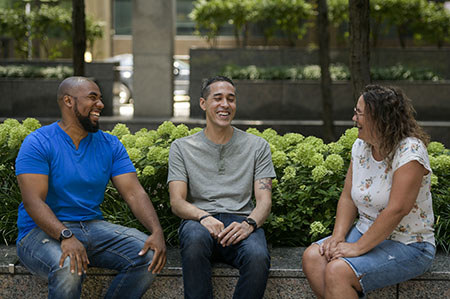
We hear from warriors daily that it’s hard to build and maintain meaningful relationships and camaraderie after service. That is why social connection is a fundamental part of WWP's efforts to support mental health and well-being.
WWP offers thousands of no-cost opportunities for warriors and their loved ones to connect with through educational, recreational, and peer-support activities, both in person and virtually.
Peer support doesn't replace clinical care, but being a part of a community and having a sense of belonging plays an important part in a veteran’s healing journey.
How Is WWP Redefining Access to Care?
Expanding treatment options and strengthening social connections are important, but veterans also need clear, straightforward pathways to care.
That's why WWP works to reduce barriers to care and help veterans understand all their options, whether through VA care, telehealth, community programs, or other available resources.
We believe there is no wrong door when it comes to accessing mental health support. WWP has a dedicated mental health triage team that helps veterans understand their options and connect with the care, resources, and programs that best meet their needs. That may include clinical care, peer support, wellness activities, community programs, or opportunities to participate in research trials for emerging treatment initiatives.
How Does WWP's Advocacy and Collaboration with Other Organizations Help Veterans?
Creating lasting change for veterans requires more than any one organization can provide alone.
WWP works closely with policymakers, healthcare providers, researchers, and other veteran service organizations to elevate veterans' voices and help shape solutions that improve access to care, strengthen support systems, and create more opportunities for healing and recovery.
One way WWP does this is by bringing veterans to meet with members of Congress so lawmakers can hear directly how legislation affects veterans and their families.
By working alongside trusted partners across the country, WWP can help ensure more veterans have access to the care, support, and opportunities they need to thrive.
Any Last Words of Wisdom for Warriors?
It can be difficult for someone to ask for help. We need to applaud the many veterans who do take that first step. Seeking support is a sign of strength, and it can open the door to lifelong healing, connection, and a better quality of life.
While challenges remain, there are many reasons to be optimistic. Advances in technology, new therapies, and policy changes are creating more opportunities for veterans to get the care they need to improve their mental health. At WWP, we believe a future without PTSD is possible, and we are committed to helping make that future a reality.
Most importantly, I want every veteran and family member to know this: You are not alone. Help is available, and there is hope.
Discover mental health support for veterans and their loved ones
Contact: Cynthia Weiss – Public Relations, cweiss@woundedwarriorproject.org, 904.738.2589
About Wounded Warrior Project
Since 2003, Wounded Warrior Project® (WWP) has been meeting the growing needs of warriors, their families, and caregivers — helping them achieve their highest ambition. Learn more about Wounded Warrior Project.