
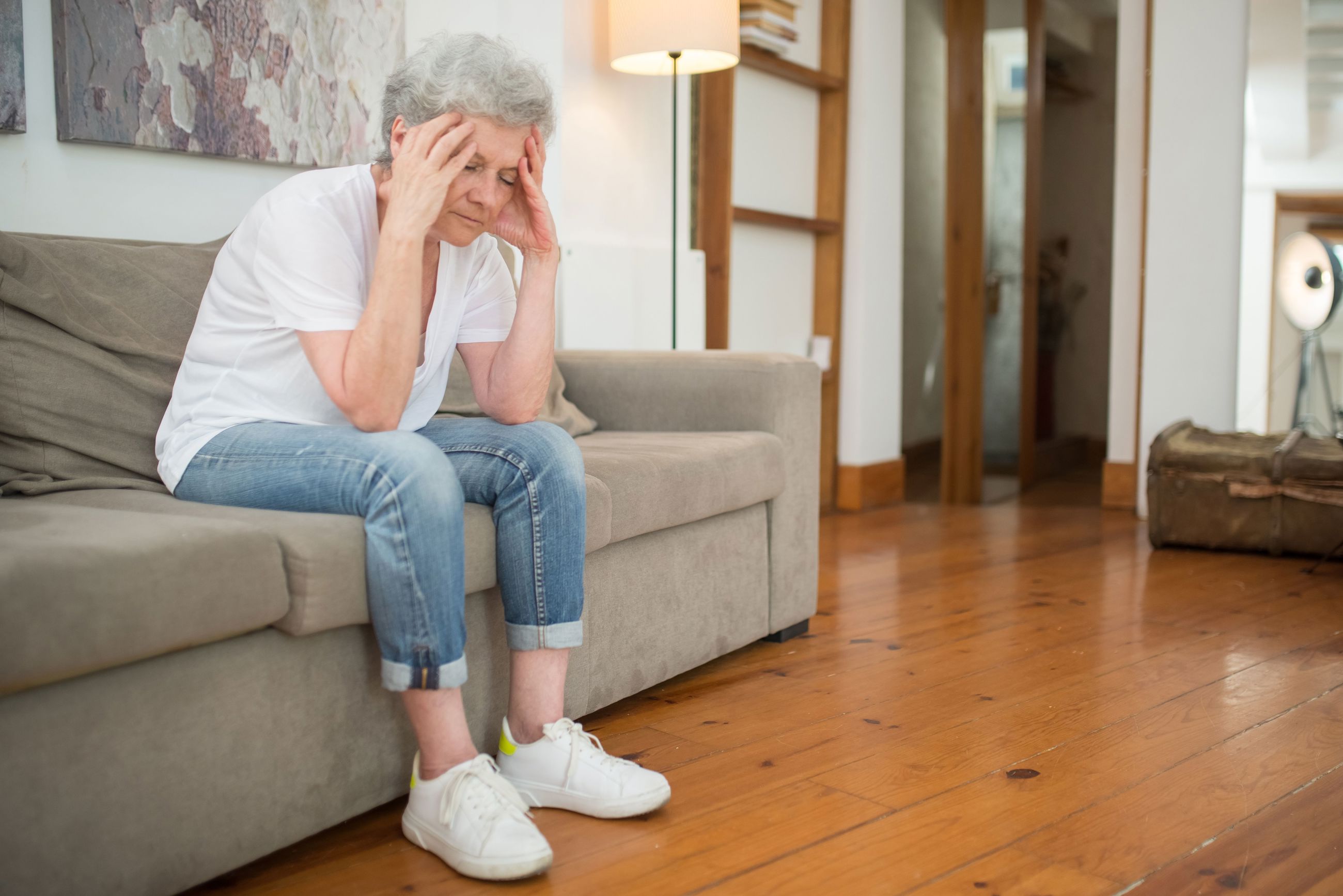
At first, loved ones may not realize how supporting someone through trauma could affect them. They may start making small changes, such as avoiding crowds, turning down social invitations, or noticing changes in their mood or behavior.
These changes often come from a place of love and a desire to support someone navigating trauma like post-traumatic stress disorder (PTSD). But over time, repeated exposure to another person’s trauma and trauma reactions can lead to secondary trauma — also sometimes known as secondary PTSD.
“Trauma doesn’t occur in a vacuum,” says Erin Fletcher, Psy.D., director of Warrior Care Network® at Wounded Warrior Project® (WWP). “When a person is living with PTSD, the people closest to them experience challenges, too.”
Secondary trauma, which was first identified in the 1990s, can affect spouses, partners, parents, siblings, caregivers, and even close friends. It’s not a formal diagnosis, but a licensed professional can evaluate symptoms to help loved ones better understand what they’re experiencing and how to cope.
The Difference Between Secondary PTSD, Vicarious Trauma, and Compassion Fatigue
People often use the terms secondary PTSD, vicarious trauma, and compassion fatigue interchangeably. While they share similarities and can occur at the same time, each describes a different experience. Understanding those differences can help loved ones recognize the signs and know when to seek help.
Secondary PTSD
Secondary PTSD is commonly used to describe the emotional and physical effects a person may experience after indirect exposure to someone else’s trauma. This could come after hearing stories of traumatic events, witnessing a loved one’s reactions, or supporting a loved one who is struggling.
Secondary PTSD symptoms can mirror those of PTSD and may include anxiety, difficulty sleeping, nightmares, avoidance, and hypervigilance.
Over time, secondary PTSD symptoms can lead to lifestyle changes, says Dr. Fletcher.
“Loved ones often adjust their own routines and behaviors to accommodate the person living with PTSD,” explains Fletcher.
For instance, someone may shop during less-busy hours or skip outings because of anxiety about crowds. What begins as a small adjustment can gradually limit where they go and what they do.
“Families may adapt little by little until their world becomes smaller. In trying to help someone they love feel safe, they may not realize how much anxiety and isolation they’ve taken on,” Fletcher says.
Jessica Lopez, a licensed clinical social worker at Rush University’s Road Home Program, which is a part of WWP’s Warrior Care Network, sees these patterns among both veterans and loved ones. 
“When someone has PTSD, a loved one wants to support them but often will try to predict what that person needs to make life easier,” says Lopez, who is also a Marine veteran and military spouse. “Over time, though, you end up living life based on symptoms of fear or anxiety, not living life according to your values or your goals and desires.”
She shares an experience involving a couple who planned to go out for an evening. “The wife was so hypervigilant, trying to make sure the environment was right for her veteran husband that she was disconnected from the entire experience,” she explains. “She was never present and has no memory of the night.”
The effects of secondary trauma can emerge gradually and may look different from person to person, including between adults and children.
Vicarious Trauma
Vicarious trauma can happen when a person feels someone else’s trauma so deeply that it begins to affect their beliefs and feelings of safety. It often affects people working in certain professions, such as therapists, counselors, or first responders — but it can also happen to loved ones, says Dr. Fletcher.
“Someone with vicarious trauma may increasingly question whether the world is safe, whether others can be trusted, or whether they have control over what happens,” she says.
For instance, a first responder who may regularly witness accidents on a highway may begin to see driving differently. After seeing so many crashes, driving may start to feel far more dangerous than it once did. Over time, that heightened sense of risk can grow into fear and lead to avoiding driving altogether.
Lopez says healing begins by understanding why those feelings arise and learning practical coping skills to rebuild a sense of safety.
“Fear and uncertainty about the unknown cause many people to feel on edge,” she says. “Often, we start to think about how to protect ourselves, but, in reality, we don’t really know what will happen. When we learn to navigate uncertainty, it becomes less intimidating. We begin to feel more grounded and more hopeful.”
Compassion Fatigue
Compassion fatigue can affect people who provide ongoing care or support for loved ones navigating injuries or trauma. Over time, the daily demands of caregiving can leave a person feeling exhausted, overwhelmed, and emotionally withdrawn. They may find it harder to maintain the same level of empathy, patience, and support they once had for the person they care for.

“Caregivers have a lot of responsibility between managing the day-to-day needs of their loved one, trying to run a household, and perhaps work,” says Dr. Fletcher. “We often hear caregivers say it feels like they can’t juggle one more thing.”
Compassion fatigue can also affect a caregiver's sense of identity. As caregiving responsibilities grow, personal interests, friendships, and self-care activities may gradually fall away. Many caregivers begin to feel as though they've lost sight of who they are outside their caregiving role.
Adding to the challenge, many caregivers feel guilty about taking time for themselves or asking for help. But Dr. Fletcher says stepping away to rest and recharge isn't selfish. It's essential.
"The idea of taking a break can feel impossible when someone depends on you," she says. "But even small moments of rest can help replenish your emotional reserves and allow you to show up more fully for your loved one."
Fletcher often uses an airplane oxygen mask analogy. “You have to put your mask on first before you can assist someone else,” she says.
Whether it's taking a walk, meeting a friend for coffee, attending a support group, or arranging respite care, these breaks can help prevent burnout and strengthen your ability to care for a loved one, she adds.
Treatment Options for Loved Ones
It can be hard to know when to seek support, but Fletcher says that when stress, anxiety, fear, or emotional exhaustion begin affecting your daily life, relationships, or sense of well-being, it's time to reach out.
“What matters is not whether every symptom fits a particular category, but whether symptoms persist, cause distress, or interfere with daily functioning,” adds Lopez. She notes that support is available for people experiencing secondary PTSD, compassion fatigue, and vicarious trauma.
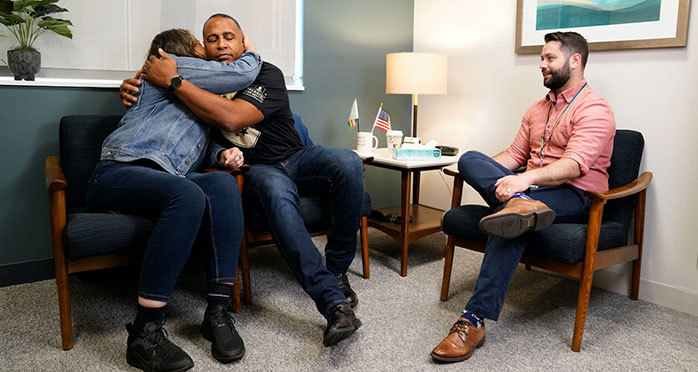
Individual, couples or group counseling, trauma-focused therapy, and coping strategies such as emotional regulation and mindfulness can help people manage symptoms, strengthen relationships, and regain a sense of hope.
Warrior Care Network, which provides intensive mental health treatment for eligible veterans, also offers education, support, and resources designed specifically for families and loved ones.
“At Warrior Care Network, we recognize that trauma can affect the entire family and offer specific programming to help loved ones ,” says Lopez. “It’s important that family members have their own tools and personalized support to maintain their own well-being.”
Lopez emphasizes that families do not have to wait for a veteran to seek help before getting help themselves. “It’s valuable for relatives to find a way forward even if their loved one is not ready for treatment,” she says.
With the right tools, resources, and connections, loved ones can build resilience, care for their own well-being, and continue supporting the people they care for.

Recognizing the Signs:
Questions to Ask Yourself
If you're supporting a loved one through injury, illness, trauma, or recovery, it's important to check in with yourself, too. Consider these questions:
- Have you been feeling emotionally drained or like you're carrying more stress than usual?
- How has your sleep been lately? Are worries or responsibilities making it harder to fall asleep or stay asleep?
- Have you been withdrawing from friends, family, or activities you usually enjoy?
- Do you feel more anxious, on edge, or responsible for keeping your loved one safe from harm?
- Have you been putting your own needs, interests, or well-being aside more often than not to care for your loved one?
Frequently Asked Questions
A: Yes. According to Lopez, people can experience secondary traumatic stress after hearing about or supporting someone through a traumatic experience. This can happen to spouses, family members, caregivers, healthcare professionals, first responders, and others who are regularly exposed to another person's trauma.
A: Yes. With support, healthy coping skills, and time, people experiencing secondary trauma can regain a sense of balance and well-being. Seeking support early can also make it easier to manage stress before it begins interfering with daily life.
A: Not exactly, although they are closely related. Fletcher explains that caregiver burnout is often associated with ongoing stress, exhaustion, and feeling overwhelmed by responsibilities. Compassion fatigue is more closely tied to the emotional impact of caring for someone who is suffering. But both can affect your physical health, emotional well-being, and ability to support others.
A: No. You can seek support for your own well-being at any time, regardless of whether your loved one is receiving treatment. Counseling, peer support groups, and caregiver resources can help you manage stress, build coping skills, and feel less alone. Reaching out for help is not giving up on your loved one. It's taking care of yourself so you can continue supporting them.
A: Support is available through many groups, including WWP, which can get you connected to mental health professionals, community organizations, peer support groups, and caregiver programs.
With the right support, people can strengthen coping skills, build resilience, and reconnect with the relationships, routines, and activities that matter most
With the right support, people can strengthen coping skills, build resilience, and reconnect with the relationships, routines, and activities that matter most.
Learn about PTSD resources and support for the whole family.