
WASHINGTON, DC (July 23, 2026) – The House of Representatives yesterday passed the fiscal year 2027 National Defense Authorization Act (NDAA), advancing several provisions supported by Wounded Warrior Project® (WWP) to strengthen care, research, and support for veterans, Service members, and their families.
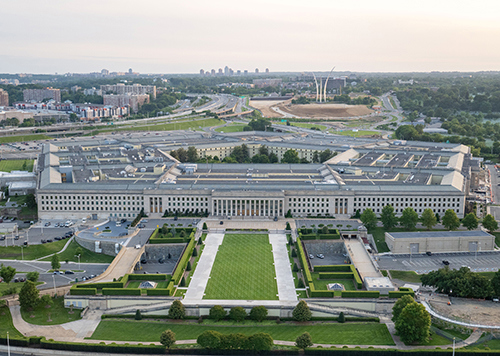
The appearance of U.S. Department of War (DoW) visual information does not imply or constitute DoW endorsement.
The NDAA sets annual Department of Defense (DoD) priorities and authorizes programs that shape military readiness and Service member healthcare. The House-passed NDAA addresses several WWP® priorities, including stronger brain injury care coordination, improved financial readiness for military families, expanded support for severely injured Service members, and improved access to emerging mental health treatments.
“House passage of the NDAA is a meaningful step toward ensuring veterans, Service members, and military families receive the care and support they've earned,” said Jose Ramos, vice president of government and community relations for WWP. “From advancing innovative PTSD treatments and strengthening research on brain health and blast exposure to expanding career opportunities and increasing access to adaptive sports, these provisions reflect a strong commitment to the long-term well-being of current and future generations of warriors.”
WWP supports several measures included in the fiscal year 2027 NDAA that would:
- Establish the Blast Overpressure Research and Mitigation Task Force to improve coordinated research and care between DoD and the Department of Veterans Affairs.
- Extend DoD’s grant-making authority to support federal, academic, and nonprofit entities engaged in clinical trials and research related to emerging and advanced therapies for mental health conditions.
- Expand career opportunities for more than 170,000 military medical personnel transitioning out of service.
- Remove the current one-year post-separation limit for eligible veterans participating in the DoD Military Adaptive Sports Program, supporting continuity in their recovery and rehabilitation through adaptive reconditioning and competitive athletic opportunities.
- Launch a pilot program to make health records more transportable after military separation.
- Increase support and funding for school districts serving military-connected children.
- Authorize higher housing allowances in disaster zones, high-cost housing markets, and locations experiencing military installation assignment surges.
- Create a permanent annual cost-of-living adjustment based on the consumer price index for certain special and incentive pays for Service members.