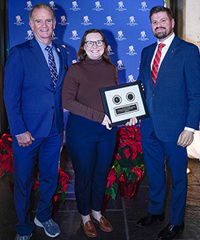
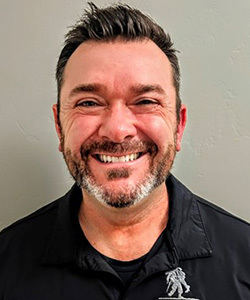
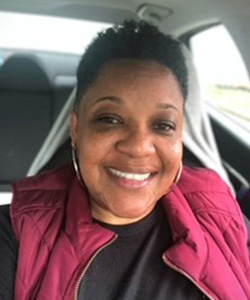
 Kimberly Washington
From Iraq War veteran to devoted caregiver, Kimberly Washington’s path to becoming a WAL was shaped by personal loss, long battles for her own benefits, and a promise to speak up for veterans in need. Her focus on respectful, compassionate support guides her work.
Tell us a little bit about yourself.
I am a mother of three, a daughter-in-law, and a grandmother of three. I joined the military in 1989 and am a veteran of the Iraq War. I was medically discharged in 2004 after serving 15 years, 3 months, and 28 days, and I am a proud native of New Jersey.
I am the only daughter of Sgt. Victor L. Washington, Jr., a Vietnam veteran with the 173rd Airborne Brigade (“Sky Soldiers”), who passed in December 2022, and Ms. Jerolyn P. B. Washington, a New Jersey State Corrections Officer, who passed in October 2021. For two and a half years, I served as a caregiver for multiple family members.
Why did you decide to become a WAL for WWP?
When my father was diagnosed in December 2021 with stage IV bladder cancer (due to exposure to Agent Orange), I was still grieving the loss of my mother. While taking him to his treatments at the Philadelphia VA Hospital, I was heartbroken at seeing so many veterans lined up along both sides of the oncology hallway because there simply weren’t enough seats in the waiting area. Seeing those soldiers, all battling cancer, left an imprint on my heart that will never fade.
In those moments, I made a vow to be a voice for veterans whenever and wherever I could. At the time, I didn’t know what a WAL was, nor was I aware that WWP had a Grassroots team. While attending Peer Support Group training in 2024, I met Scott Moehl, who has since become family. When he asked if I would be interested in becoming a WAL, my answer was immediate and heartfelt: “Absolutely, yes.” The rest is an ongoing, wonderful story, a blessing I don’t take lightly.
What was your experience during the recent WAL training?
The training itself was wonderful and really helped me better understand how our government works and how bills are actually passed — far beyond the “Schoolhouse Rock” version of “I’m Just a Bill!” I love that the WAL program is still so new, but thriving, and that we all get to help build the movement.
What experience or moment in your military or post-service journey inspired you to get involved in advocacy and use your voice to support other veterans?
It took 16 years of fighting for myself after my discharge to get my medical benefits finally in order, and there’s still some work that needs to be done! I have listened to veterans who were dissuaded from getting basic medical treatment because of paperwork and a lack of support. My experiences supporting the ones I love — helping my dad, supporting neighbors and others as they requested their records, getting my great uncle (a veteran) and aunt’s headstone fixed, and helping my cousin get her husband’s military honors when he passed — have brought me great joy.
Is there any issue that is most important to you personally? Why?
Ensuring that when veterans seek help through their state and county VSOs, they are met with care, dignity, and genuine support — as family, not strangers — is essential. We also have a responsibility to make sure VSOs themselves are supported so they can fully show up for the veterans they serve.
From your perspective as a warrior advocate, what do you believe people most need to understand about today’s veterans and the issues they face?
People need to understand that today’s veterans are carrying far more than they can see. Many are dealing with unseen wounds, PTSD, health issues, and financial stress while trying to navigate a system that can feel overwhelming. Veterans aren’t asking for sympathy; they’re asking to be heard, believed, and supported. I truly believe that when we show up with compassion, patience, and a servant’s heart, God uses that to open doors and restore hope. Supporting veterans isn’t charity; it’s a responsibility, and an honor.


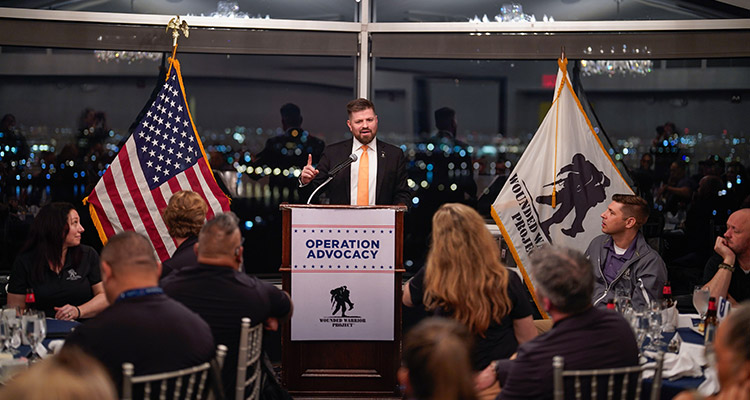
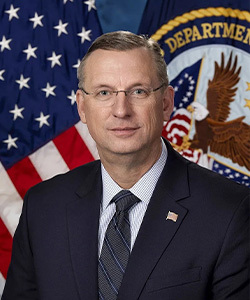 Putting Veterans First: A Conversation with VA Secretary Doug Collins
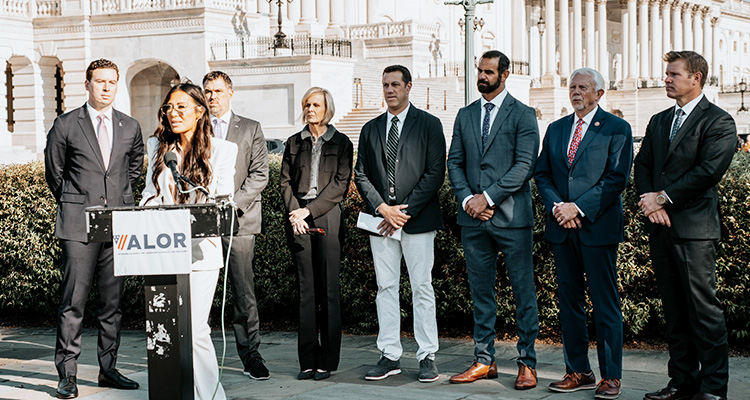
 In September of last year, WWP joined Veterans Exploring Treatment Solutions (VETS), the Navy SEAL Foundation, and the Green Beret Foundation to launch the Veteran Alliance for Leadership, Outreach, and Recovery (VALOR).