
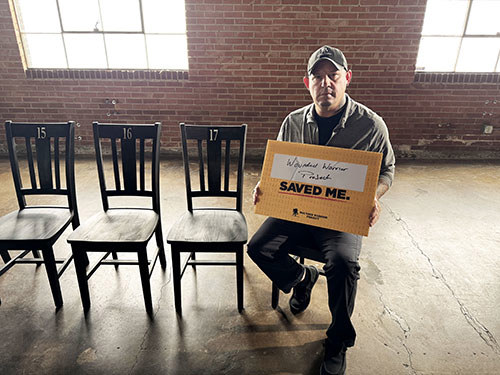
 Suicide is seldom a topic people feel comfortable talking about, but it’s important to be able to discuss the subject openly in order to combat stigma and help remove obstacles to getting help.
Wounded Warrior Project® (WWP) is committed to helping warriors find the help and care they need to live successful and fulfilling lives. WWP’s most recent Warrior Survey* showed some alarming trends when it comes to mental health and suicidal ideation. According to the survey, more than 1 in 4 warriors served by WWP® have had suicidal thoughts in the past 12 months.
The Warrior Survey also found:
- Anxiety (80%), depression (77%), and PTSD (77%) remain the top mental health issues.
- More than 6 in 10 warriors report having one or more mental health conditions.
- Nearly half of warriors show signs of hazardous drinking or alcohol use disorders.
- More than 4 in 6 warriors struggled to make ends meet in the last 12 months.
These are just some of the reasons it is so important to ensure veterans know they are not alone and that care is available.
According to the 2025 National Veteran Suicide Prevention Report by the Department of Veterans Affairs (VA), veterans have higher suicide rates than the general population. The report also found that among veterans enrolled in Veterans Health Administration (VHA) care who died by suicide in 2023 — the most recent year analyzed — 61% had been diagnosed with a mental health or substance use disorder.
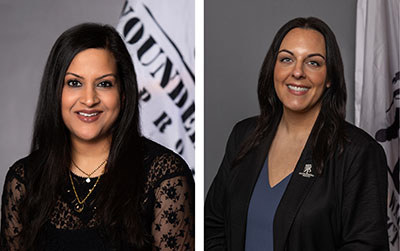
WWP Talk Director Sonal Patel, WWP Mental and Brain Health Director Lyndsay Tkach, and members of the WWP Talk team share insights on veteran suicide prevention and debunk common myths about suicide.
 If you or someone you know needs help, get free and confidential support 24/7. If you or someone you know needs help, get free and confidential support 24/7.
|
Some issues that particularly affect veterans include:
- Isolation
- Nightmares (sleep problems)
- Flashbacks
- Severe pain
- Financial struggles
- Loss of purpose or feeling as though they are a burden
- Not asking for help due to stigma
Some of the best ways to combat these issues include:
- Therapy, such as dialectical behavioral therapy (DBT), cognitive behavioral therapy (CBT), and brief intervention strategies.
- Getting them connected to support groups or something that gives them more meaning.
- Validating feelings and offering support.
“There are factors that can make an individual more at risk, such as mental health issues, experiencing physical health problems, or recently receiving information that puts their life in a negative light,” Patel said. “But honestly, anybody can be at risk for suicide because there are not always warning signs.”
Debunking Myths of Suicide
Myth: Someone who takes their own life is “cowardly” or “selfish.”
Fact: Someone who completes suicide is in psychological pain and is likely thinking suicide is their only solution. In their minds, they have lost all hope of finding answers that will help them see beyond the current situation. This myth solidifies that there is still stigma around mental health and suicide, and that suicide is not understood by most.
Despite someone’s personal views of suicide, it is important that we all recognize the possible warning signs, ask someone if they are thinking of suicide, and get them connected to resources that can help save their life.
Myth: Seeking mental healthcare or revealing thoughts of suicide is a weakness.
Fact: Mental health still has a stigma associated with it. WWP offers many innovative opportunities for warriors to work on their mental health. Asking for help can promote a sense of control in an individual's life and support healthier choices moving forward.
“It’s important to recognize that an individual can seek help and live a healthy lifestyle, but I believe the stigma around mental health and treatment is still a big factor, especially in the military community,” Patel said. “At Wounded Warrior Project, we are providing services that help our warriors and family support members open up to the idea of seeking help and, in doing so, decreasing that stigma.”
Myth: If someone is talking about taking their life, they are just trying to get attention and won’t actually do it.
Fact: If someone is talking about suicide, they are likely asking for support, and they have some hope that they can still live. Talking about suicide can be a plea for help, and the individual may also be exhibiting behaviors other than talking about suicide. Someone who is actively thinking about suicide may be at a higher risk of carrying out his/her plan. Any time someone is talking about taking their life, it should be taken seriously.
Myth: Suicide is always caused by mental illness or combat trauma.
Fact: Suicide is rarely caused by one factor. Mental health conditions can increase risk, but so can chronic pain, financial stress, relationship loss, substance use, isolation, adverse childhood experiences, military sexual trauma, and other forms of trauma before, during, or after service. Combat exposure is one possible factor, not a universal explanation.
“People who have experienced trauma are at higher risk, but the trauma may be from combat, childhood, or something that happened after service,” Tkach said. “We don’t assume there is only one explanation.”
Myth: If someone really wants to die, they’ll find a way, and there’s nothing you can do to stop them.
Fact: This can be true in some instances, but most suicides are not sudden or impulsive, and there are often many warning signs. If someone has expressed thoughts of suicide or has warning signs, then there is still hope that they can get support and save their life. If there are warning signs, it is important to listen to the individual, ask if they are thinking about suicide, and encourage them to seek support.
Myth: Talking about suicide will put the idea in someone’s head.
Fact: Evidence does not support this myth. Asking directly can clarify what someone is experiencing and open the door to an honest answer.
“There’s no evidence to support that asking puts the idea in their head,” Tkach said. “You say the word. You are direct.”
Breaking the Stigma: Common questions about veteran suicide
Ways WWP Can Help
Wounded Warrior Project’s mission is to honor and empower wounded warriors, and that includes improving overall mental health and reducing the number of veteran suicides. Here are some of the free programs and services that WWP offers to support warriors' overall well-being.
Mental Health and Wellness: WWP offers an innovative, comprehensive approach to veteran mental health and wellness through interactive programs, mental health workshops, and a broad offering of services.
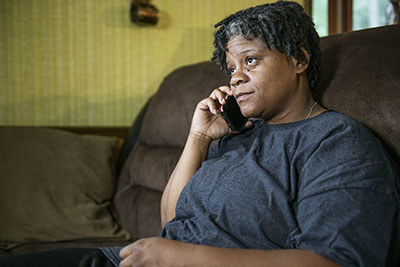
- WWP Talk: WWP Talk is a nonclinical, telephonic, emotional support and goal-setting program that breaks down the barriers of isolation. The program helps both warriors and family support members plan individualized paths toward personal growth. “We truly have the ability to meet our warriors and family support members where they are at in their journey,” Patel said.
- Warrior Care Network®: This is a partnership between WWP and four world-renowned academic medical centers, which focuses on treating veterans with PTSD, traumatic brain injury (TBI), and other related conditions. This two-week accelerated treatment program uses evidence-based clinical treatments and complementary wellness and health services to fast-track the journey to better mental and brain health. Studies show that participants completing the program experience a significant improvement in PTSD and depression symptoms.
- Project Odyssey®: This 12-week mental health program uses adventure-based learning to help warriors manage and overcome their invisible wounds. Project Odyssey starts with a five-day mental health workshop set against a natural backdrop, allowing warriors to step back from everyday routines, build connections with fellow warriors, develop coping skills, and achieve goals that improve quality of life.
Connection: The WWP Warrior Survey showed that connection with fellow veterans was a big component of a warrior’s mental well-being. Losing that sense of camaraderie can add to feelings of loneliness and isolation.
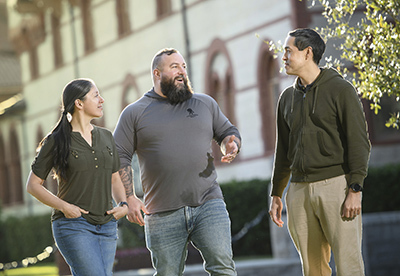
- Alumni Connection Program Events: WWP holds numerous educational, recreational, and family-oriented events across the country to help warriors and their families build a support network and gain a renewed sense of camaraderie.
- Peer Support Groups: WWP offers small, warrior-led peer support groups across the country that allow warriors to reconnect and bond with other veterans who understand their challenges and offer a shoulder to lean on.
- Family Support: Warriors aren’t the only ones who carry the burdens of their service or the invisible wounds of war. Spouses, children, and parents can also experience secondary symptoms of PTSD and can feel overwhelmed, especially if they are acting as caregivers. WWP helps family members support the warrior in their lives and provides direct support.
Physical Health and Wellness: This program guides veterans and service members through common problems like sleep issues, pain, and stress and offers personalized support to help warriors reach their wellness goals.
- Soldier Ride®: This unique, multi-day riding event helps warriors build their confidence and strength through shared physical activities and bonds of service in a supportive environment.
Financial Wellness: Worrying about how to pay the bills can contribute to depression. WWP has financial education programs to help empower warriors to build a strong financial foundation, get career support, or file for benefits they’ve earned.
- Financial Readiness can help warriors and their families reach their financial goals through education about creating budgets, managing debt, and financial planning.
- Warriors to Work can help warriors and family members find employment, learn skills, and provide career counseling.
- Benefits Services has accredited representatives who can assist warriors with filing for VA benefits, including health care benefits, disability compensation, and caregiver benefits.
It’s important veterans and their loved ones know that there is help out there, and there is strength in reaching out. You don’t have to do this alone.
“We have to be mindful when an individual is in deep psychological pain, we have to put whatever feelings we have aside and reach out,” Patel said. “We have to listen, provide support, and make sure that we can help in any way possible to get them the support they need.”
Learn more about veteran suicide prevention and how WWP can help.