
 Applying for veterans benefits can be a complex process. For many service members and veterans, it can feel overwhelming to navigate on their own, especially when they’re unsure where to start.
The Benefits Service program at Wounded Warrior Project® (WWP) can help. The WWP® Benefits team works with warriors and family support members to help them understand and access the benefits they’ve earned in a manner that honors their service.
Service members and veterans can rely on the skills and knowledge of WWP’s national service officers to help guide them through the Department of Veterans Affairs (VA) claims process. As a VA-accredited veterans service organization (VSO), WWP is recognized by the VA as a reputable source to submit claims on a veteran’s behalf at no cost to the veteran.
Having the assistance of a VSO like WWP can provide peace of mind throughout the VA benefits application process. While no organization can guarantee benefits, expert guidance can help service members and veterans understand what information is needed and how to build the strongest claim possible. WWP can also provide support if an appeal becomes necessary.
Filing for VA Disability, Other Benefits
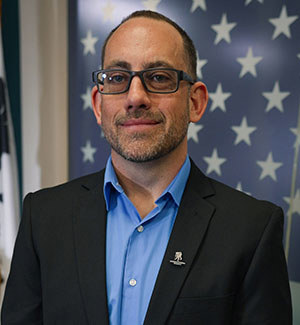
Ian Taube, National Service director-Benefits for WWP.
WWP National Benefits Service Director Ian Taube said service members should begin preparing for the VA benefits process before leaving the military.
“Before separating, service members should make sure all their documentation is in order,” Taube said. “Talk with your physicians and command, keep copies of every record, and connect with a VSO like Wounded Warrior Project as early as possible.”
To qualify for VA disability benefits, service members and veterans must show that their condition is connected to their military service. Taube said it is important to gather documentation early, including medical records, statements from family or friends, and records from any urgent or emergency care received outside the military medical system, as those may not be included in a service member’s official record.
“You served your country, and your country is there to care for you,” Taube said. “Veterans who hesitate to seek support should remember that they earned these benefits through their service.”
Gathering military medical records, outside treatment records, and supporting statements is an important first step, but many are unsure what to do next. A VSO can explain the process, identify needed documentation, and guide individuals through any hurdles.
“Our goal is to support warriors through every step of the process,” Taube said. “We can help complete the paperwork, explain what it means, and set realistic expectations for what comes next.”
A key advantage of working with a VA-accredited VSO is ongoing support from knowledgeable professionals at no cost to the veteran.
“When veterans file on their own, they don’t know what they don’t know,” Taube said. “The process involves complex rules and legal requirements, and experienced veteran service officers can help identify issues that are easy to overlook.”
Disability Changes and Appeals
Service members and veterans often have questions about disability ratings and when it makes sense to request a review. If a service-connected condition worsens or becomes chronic over time, an individual may be eligible to seek a re-evaluation from the VA. WWP can help warriors understand their options.
“A worsening service-connected disability is a key sign that it may be time to seek a re-evaluation,” Taube said. “Work with your health care providers and national service officer to determine what support or additional claims may be appropriate.”
Other reasons for a change in disability ratings may be that a new condition has manifested relative to a condition already being compensated, or that a veteran acquires additional documentation regarding the severity of the initial condition on which their rating was based.
Not every denied claim means ineligibility for VA benefits. A claim may be denied because records are incomplete or key information is missing. WWP’s Benefits Service team can help warriors understand a decision and navigate available review or appeal options.
“Whenever you receive a VA letter, contact your national service officer,” Taube said. “The language can be difficult to interpret, and we can help you understand the decision and determine whether action is needed.”
Above all, the WWP Benefits Service team wants warriors to know they do not have to navigate the process alone.
“The most important thing to remember is that you’re not alone,” Taube said. “We understand the system and will stand with you throughout the process. We’ll share the difficult moments, celebrate the good ones, and advocate for you whenever needed.”
Other Key Things to Know
· Attend all VA-scheduled medical and examination appointments and be candid about how a condition affects daily life. “Downplaying the severity of a condition may limit access to services and benefits that can support your health,” Taube said.
- Service members preparing to leave the military are encouraged to take advantage of the Transition Assistance Program (TAP), which provides information, tools, and training to help service members and their spouses prepare for civilian life.
- WWP-registered family support members may also be eligible for assistance in accessing VA benefits and other earned entitlements.
- WWP’s Benefits Service team can help warriors with other earned benefits, including education benefits, health care benefits, and Combat-Related Special Compensation (CRSC). The team can also help connect them to other WWP programs in mental health, financial wellness, career readiness, and physical wellness.
Find out how the Benefits Services program can help you.